Key Takeaways
- Most Texas roof storm damage isn’t visible from the ground — the worst of it hides in bruised shingles, lifted edges, and dented flashing.
- The clearest signs are shingle granules piling up in gutters and downspouts, soft round “bruises” from hail, and creased or missing shingles from wind.
- A documented professional inspection within a few days of the storm protects both your roof and your insurance claim.
- In Texas you generally have a limited window — often one year, sometimes less — to file a storm-damage claim, so acting fast matters.
- Flagstone Roofing offers a free, no-pressure inspection across Texas and works with every insurer.
After a Texas hailstorm or a wall of 60-mph wind tears through your neighborhood, your roof can look perfectly fine from the driveway and still be badly hurt. That gap — between “looks okay” and “actually okay” — is exactly where future leaks, rotted decking, and denied insurance claims come from. This guide shows you the real signs of roof storm damage in Texas, how to check safely, and what to do before you ever call your insurer.
What Does Roof Storm Damage Actually Look Like?
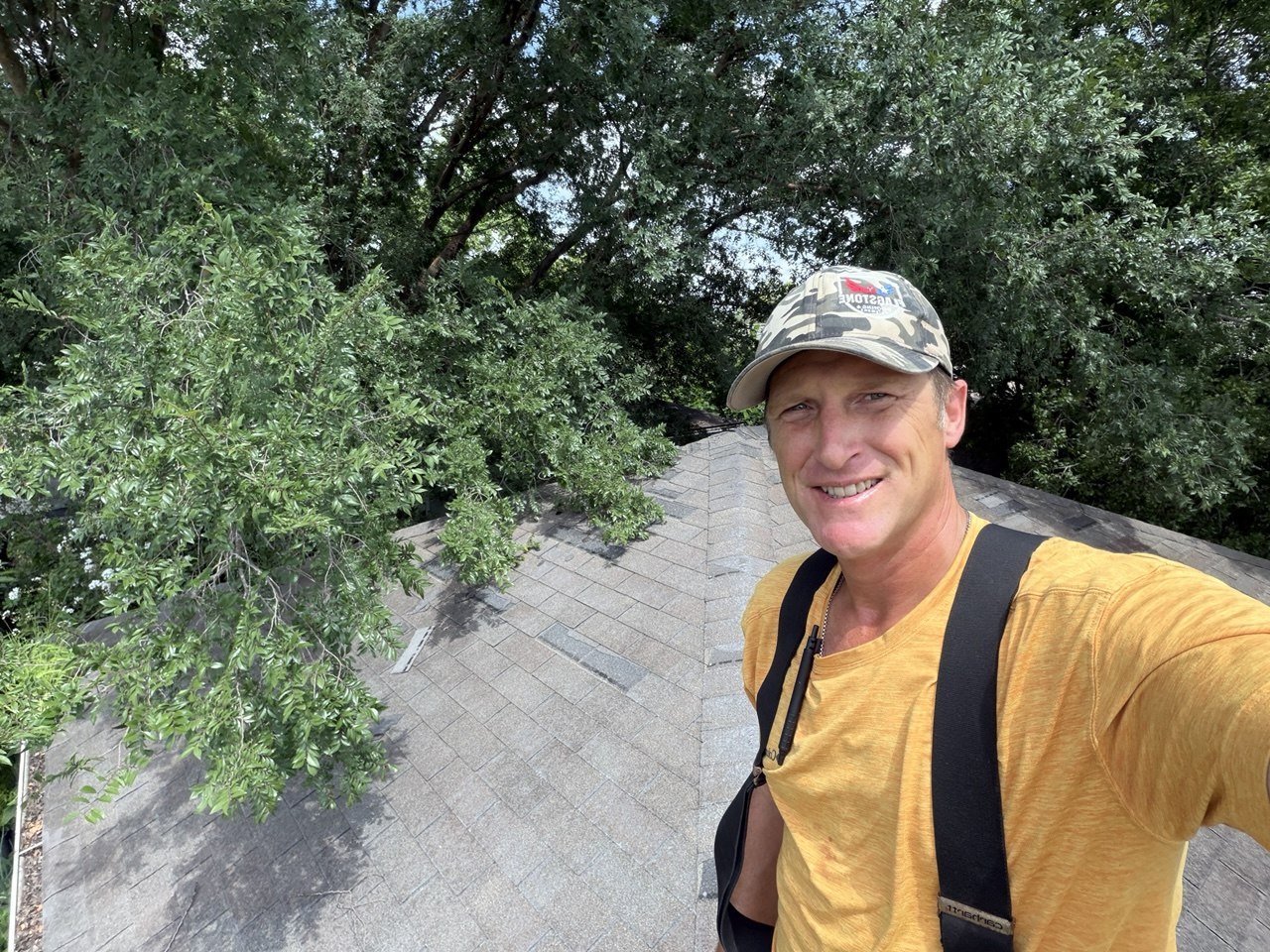
Roof storm damage usually shows up as bruised or cracked shingles, missing shingles, dented metal on vents, flashing and gutters, and a gritty pile of shingle granules collecting in your downspouts. Hail leaves soft, round “bruises” where the protective granules are knocked off; wind lifts, creases, or tears shingles loose. Most of it is impossible to see from the ground.
From your yard you might catch the obvious stuff — a shingle in the flower bed, a bent gutter, a dark patch on the roofline. But hail damage in particular is sneaky. A roof can pass a five-second glance and still have hundreds of impact points that will fail over the next year or two, quietly letting water into your attic long after the storm is a memory. That’s why “it looks fine” is never the same as “it is fine” after a serious Texas storm.
Hail Damage vs. Wind Damage: How Do I Tell Them Apart?
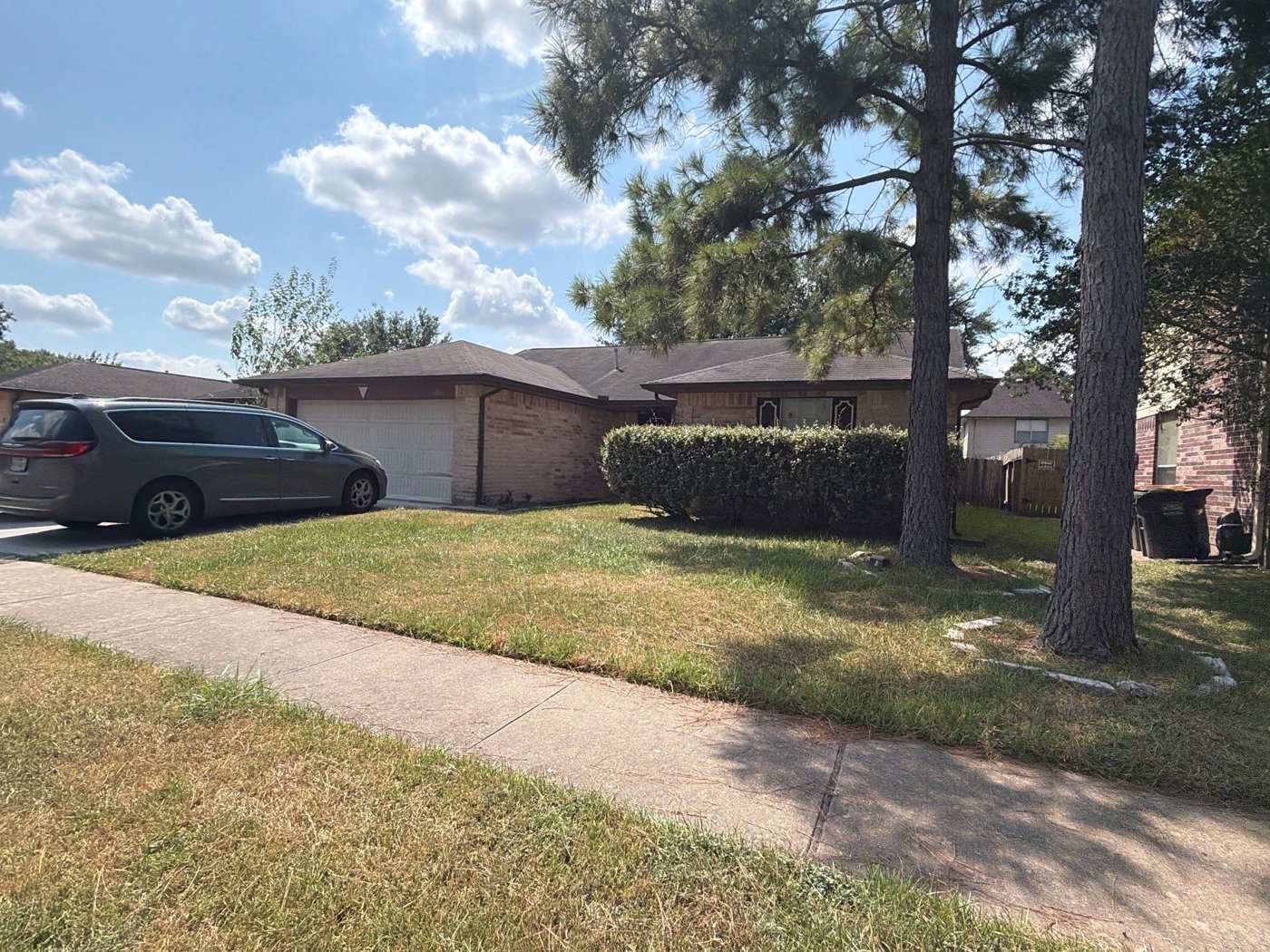
Hail and wind damage look different and often happen in the same storm. Hail creates round, soft bruises and knocks granules off; wind creates creases, lifts shingle edges, and rips shingles off entirely. Knowing which you have helps you and your adjuster document the claim correctly.
| Sign | Hail damage | Wind damage |
|---|---|---|
| Shingle surface | Round “bruises,” missing granules, cracks | Creased or folded shingles |
| Shingle edges | Usually intact | Lifted, curled, or torn off |
| Metal (vents, flashing, gutters) | Dents and dings | Bent or loose components |
| Gutters / downspouts | Heavy granule buildup | Debris, detached sections |
| Where it’s worst | Whole roof, random pattern | Windward slopes and edges |
How Do I Check My Roof for Storm Damage Safely?
You can gather strong evidence without ever climbing on the roof — and you shouldn’t climb up, especially on a wet or steep roof. Do a ground-level and attic check first, then let a professional handle the roof itself. Here’s the safe way to do it:
1. Walk the perimeter. Look for shingles or shingle pieces on the ground, in gutters, and in flower beds.
2. Check your gutters and downspouts. A gritty pile of granules that looks like coarse sand is a top hail-damage tell.
3. Scan metal surfaces. Dents on gutters, downspouts, vents, flashing, and even your AC unit or garage door hint at hail size and impact.
4. Use binoculars. From the ground, look for bruises, bare spots, creases, and missing shingles.
5. Go into the attic. Bring a flashlight and look for water stains, damp insulation, or daylight coming through the decking.
6. Photograph everything and note the date. Timestamped photos are gold for an insurance claim.
If you spot any of these, stop there and call a professional — walking a storm-damaged roof yourself is how people get hurt and how subtle damage gets missed.
What Happens If You Wait on Storm Damage?
A small storm bruise rarely stays small in Texas. Once granules are knocked off, the exposed asphalt bakes in the sun and cracks; once a shingle lifts, wind-driven rain works underneath it. Left alone, a minor hail hit can turn into rotted decking, soaked insulation, mold, and interior ceiling stains — repairs that cost far more than the original roof work and often aren’t covered once the claim window closes. Waiting also makes it harder to prove the damage came from a specific storm, which is one of the fastest ways to get a claim denied. The cheapest, least stressful path is almost always the earliest one: get it looked at while the damage is still small and still provably storm-related.
How Long Do I Have to File a Roof Insurance Claim in Texas?
In Texas you typically have a limited window to file a storm-damage claim — often one year from the date of loss, and sometimes less depending on your policy. The clock starts at the storm, not when you notice the leak, so acting fast matters. Filing sooner also means the damage is easier to tie to a specific storm, which strengthens your claim.
Before you file, read your policy’s windstorm and hail provisions and confirm the date of the storm. The Insurance Information Institute is a reliable, non-salesy resource for understanding how home claims work. A licensed roofer who works with insurers — like Flagstone Roofing — can meet your adjuster on-site so nothing gets missed and you get a fair assessment.
Should I Repair or Replace a Storm-Damaged Roof?
Minor, isolated damage — a few lifted or missing shingles — is often a repair. Widespread hail bruising, heavy granule loss, or damage on an aging roof usually points to a full replacement, especially if your roof is near the end of its lifespan. The honest answer depends on the age of the roof, how widespread the damage is, and what your insurer approves.
Be cautious of any contractor who quotes a full replacement sight-unseen or pressures you to sign before an inspection. A trustworthy roofer will show you photos of the actual damage and tell you when a repair is the smarter, cheaper call — even if it means a smaller job for them. Quality shingles from manufacturers like GAF also come with warranties that a proper installation protects.
Why a Professional Inspection Matters Before You File
A professional inspection does two things at once: it finds the damage you can’t see from the ground, and it documents that damage properly for your claim. Adjusters move faster and approve more when a licensed roofer has already walked the roof and photographed every impact point. With 30+ years serving Texas homeowners, GAF certification, a BBB A+ rating, and experience with every insurer, Flagstone Roofing brings that documentation to the table so you’re not fighting the claim alone.
We also stand behind our work with a lifetime workmanship warranty, so once your roof is repaired or replaced, it’s handled — not just patched. That peace of mind is the whole point after a stressful storm.
Get Ahead of Roof Storm Damage in Texas Today
Storm season doesn’t wait, and neither should your roof. If a recent hailstorm or high wind has you wondering whether your Texas roof took a hit, the smartest first step is a free, no-pressure inspection from a local team that’s seen it all. We’ll check every slope, document what we find, and help you decide whether you’re looking at a simple repair, a full replacement, or nothing to worry about at all.
Book your free roof inspection at https://flagstoneroofing.com/schedule-inspection-now/ or call 855-898-ROOF. Catch roof storm damage early, protect your claim, and keep your Texas home dry.
Roofing Systems & Brands We Install in Texas
Flagstone Roofing installs every major roofing system, so your home gets the right material for your budget and your neighborhood — not just whatever a crew has on the truck. Here is what we install and the manufacturers we trust:
Asphalt Shingles
The most popular choice for Texas homes: affordable, durable, and available in dozens of colors. We install shingles from GAF, Owens Corning, CertainTeed, TAMKO, Malarkey, and IKO — and we are GAF Certified, which unlocks the strongest workmanship and warranty options in the industry.
Standing Seam Metal Roofs
Sleek, long-lasting, and built for extreme Texas heat, hail, and wind. We install three locking systems:
- Snap-Lock — panels snap together securely without tools, for a fast, clean install
- Mechanical Seam — panels are crimped with an electric seaming machine for a 360-degree watertight lock
- Concealed Clips — sliding clips let the metal expand and contract safely through extreme heat and cold
Clay & Concrete Tile
Timeless curb appeal with a lifespan measured in decades. We install Ludowici, Verea, and Boral tile systems.
Synthetic & Natural Slate
The premium look of slate with modern durability and lighter weight. We install DaVinci Roofscapes, EcoStar, Brava Roof Tile, and US Tile (Westlake Royal).
Not sure which system fits your home and budget? Our free, no-pressure inspection always includes an honest recommendation — repair, replace, or upgrade.
Frequently Asked Questions
How do I know if my roof has hail damage?
Look for round, soft “bruises” where granules are missing, cracked shingles, dents on gutters and vents, and a gritty pile of granules in your downspouts. Much of it isn’t visible from the ground, so a professional inspection is the only way to be sure.
Can I inspect my roof after a storm myself?
You can safely check from the ground and inside your attic — look for shingle debris, granules in gutters, dents on metal, and water stains or daylight in the attic. Never climb onto a wet or storm-damaged roof; leave the rooftop check to a professional.
How long do I have to file a roof storm damage claim in Texas?
It varies by policy, but the window is often one year from the date of the storm and sometimes shorter. The sooner you file, the easier it is to tie the damage to a specific storm and get it approved.
Will filing a hail or wind claim raise my rates?
A single weather-related claim usually affects your rate differently than an at-fault claim, but it varies by insurer. Ask your agent about your specific policy before you decide.
Do I need a new roof or just a repair after a storm?
Isolated damage is often a repair; widespread hail bruising, heavy granule loss, or damage on an older roof usually means replacement. A documented inspection tells you which — be wary of anyone quoting a full replacement without looking.
Is the roof inspection really free?
Yes. Flagstone Roofing’s storm-damage inspection is free and no-pressure — we document what we find and only recommend work that’s genuinely needed.
What areas in Texas does Flagstone Roofing serve?
We serve homeowners across Texas, including the Austin, Houston, San Antonio, and Dallas–Fort Worth metros and the surrounding communities.