
Key Takeaways
- Roofers typically offer both material and labor warranties.
- Warranties can last from 5 to 50 years, depending on the type and the materials used.
- Coverage includes defects in materials and workmanship but varies by company.
- Certain roofing warranties can be transferred to new homeowners, adding value.
- Always read the warranty terms to understand the coverage and limitations.
When considering a new roof, many homeowners wonder, “Do roofers give warranties on their work?” The answer is yes, roofers often provide warranties that cover both materials and labor. These warranties can significantly impact your confidence by ensuring any defects or issues are handled without additional costs. Understanding these warranties is crucial for protecting your investment.
What types of warranties do roofers typically offer?
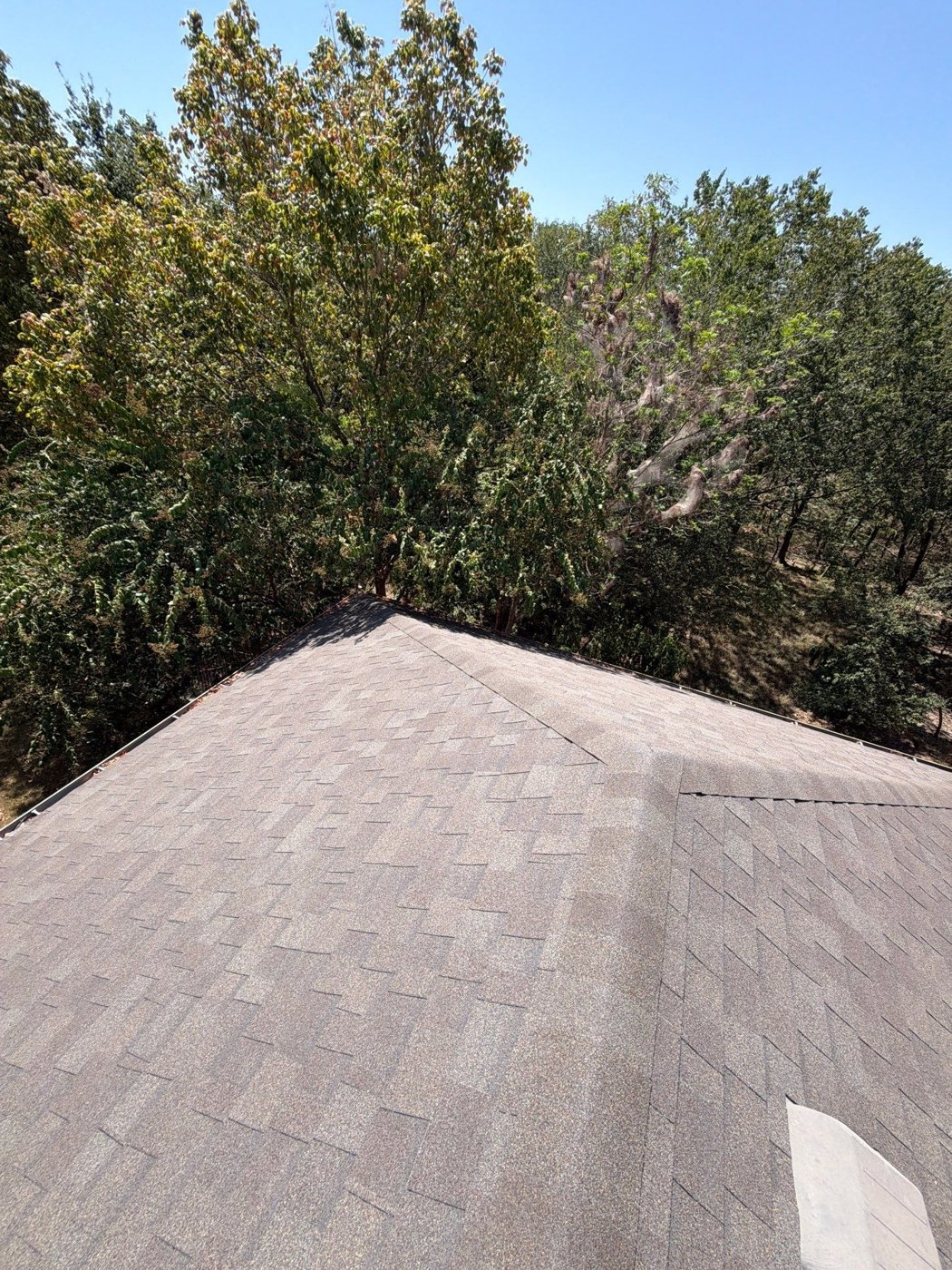
Roofers generally offer two main types of warranties: material warranties and workmanship warranties. Material warranties are provided by manufacturers and cover defects in roofing materials. Workmanship warranties, provided by the roofer, cover installation errors. While material warranties can last decades, workmanship warranties typically cover a period of 1 to 10 years.
Material warranties guarantee that the roofing materials will perform as expected. For example, if shingles are rated to withstand high winds but fail in moderate conditions, the warranty would cover replacement costs. Workmanship warranties, on the other hand, protect you from issues arising from improper installation, such as leaks or poor sealing. When hiring a roofer, always inquire about both warranty types to ensure comprehensive protection.
How long do roofing warranties usually last?
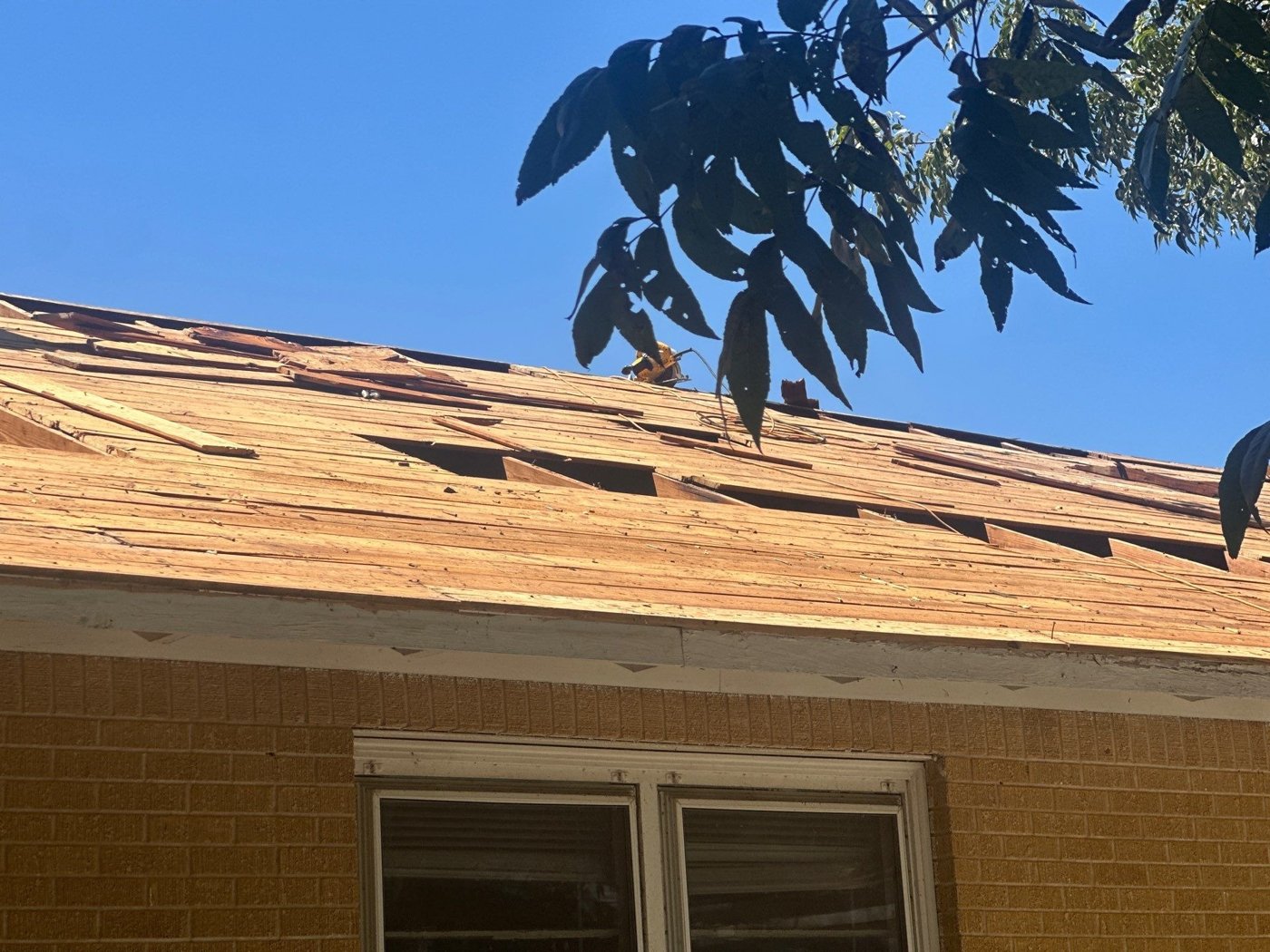
The duration of roofing warranties varies significantly. Material warranties can range from 20 to 50 years, while workmanship warranties usually last between 1 and 10 years. The length of coverage often depends on the quality and type of materials used, as well as the roofer’s policies.
For instance, a high-quality asphalt shingle might come with a 30-year warranty, while a metal roof could offer up to 50 years. Conversely, a basic installation warranty might only provide coverage for a year. Always verify the length of each warranty before proceeding with a roofing project, and consider the long-term implications of the coverage duration.
What is covered under a roofing warranty?
A roofing warranty typically covers defects in materials and issues arising from installation errors. However, coverage details can differ between manufacturers and roofing companies, so it’s essential to review the terms carefully.
Material warranties usually include protection against defects in shingles, underlayment, and other components. If these materials fail or deteriorate prematurely, the warranty will cover repair or replacement costs. Workmanship warranties cover installation-related problems like leaks or poor flashing. However, most warranties do not cover damage from natural events, such as severe storms or homeowner negligence. Understanding the specifics helps manage expectations and ensures you know what is protected.
Are roofing warranties transferable to new homeowners?
Yes, many roofing warranties are transferable to new homeowners, which can be a valuable selling point if you decide to sell your home. Transferability can enhance the home’s marketability by offering potential buyers assurance about the roof’s condition.
When a roof warranty is transferable, it often requires notifying the manufacturer or roofer within a set timeframe after the home sale. There may be a fee involved, but the benefit of maintaining warranty coverage often outweighs the cost. Confirming the transferability of a warranty before a sale is a wise step to ensure smooth property transactions.
What should I look for in a roofing warranty?
When evaluating a roofing warranty, consider the length of coverage, what is included, and any exclusions or limitations. A comprehensive warranty should ideally cover both materials and workmanship, providing long-term protection against defects and errors.
Look for details on coverage duration and the process for filing a claim. Check if the warranty is prorated, meaning coverage diminishes over time, or if it remains consistent. Also, verify transferability terms if you plan to sell your home. A warranty’s strength lies in its clarity and comprehensiveness, so understanding these elements is vital.
What happens if my roof has a problem after the warranty expires?
If a roofing issue arises after the warranty expires, it typically becomes the homeowner’s responsibility to address the problem. This highlights the importance of regularly maintaining your roof to prevent issues from developing as warranties near expiration.
Regular inspections and maintenance can extend the life of your roof and potentially catch problems early. If a post-warranty issue occurs, contacting a trusted roofer to assess and quote for repairs is advisable. Homeowners can also explore homeowner’s insurance to see if any coverage is applicable for unexpected damage.
Do roofers give warranties on both materials and labor?
Yes, roofers often provide warranties covering both materials and labor. A material warranty protects against defects in roofing products, while a labor warranty covers issues related to the installation process. Together, these warranties offer comprehensive protection for new roof installations.
While material warranties are typically backed by manufacturers, labor warranties are offered by the roofing company itself. This combination ensures that homeowners are covered for a broad range of potential problems, from faulty shingles to inadequate sealing. Always verify the specifics of both warranties with your roofer to ensure complete protection.
How can I find out if a roofer offers a warranty?
Finding out if a roofer offers a warranty is straightforward. Start by checking their website, such as the Flagstone Roofing site, which often outlines warranty offerings and details. Additionally, directly ask the roofer about their warranty policies during initial consultations.
It’s also helpful to review customer feedback on platforms like HomeAdvisor or the Better Business Bureau to understand how effectively a roofer honors their warranties. Doing so provides insight into both the availability and reliability of the warranties offered.
| Warranty Type | Coverage Duration | Includes |
|---|---|---|
| Material Warranty | 20–50 years | Defects in materials |
| Workmanship Warranty | 1–10 years | Installation errors |
| Transferable Warranty | Varies | Coverage for new homeowners |
Protect Your Investment with a Free Roof Inspection
Don’t wait for problems to arise. Secure your roof’s future with our Free Roof Inspection. With 30+ years of experience and a lifetime workmanship warranty, Flagstone Roofing ensures your home is in capable hands. Schedule your inspection today online or call us at 855-898-ROOF.
Frequently Asked Questions
What types of warranties do roofers typically offer?
Roofers generally offer two types of warranties: material warranties, which cover defects in roofing materials, and workmanship warranties, which cover errors in installation. Both types are essential for protecting your investment.
How long do roofing warranties usually last?
The duration of roofing warranties can vary significantly. Material warranties usually last between 20 to 50 years, while workmanship warranties may range from 5 to 10 years. It’s crucial to check the specifics with your roofing contractor.
What is covered under a roofing warranty?
Roofing warranties typically cover defects in materials and workmanship. However, they may not cover damages caused by weather events or lack of proper maintenance. Always review the warranty details for specific coverage.
Are roofing warranties transferable to new homeowners?
Many roofing warranties can be transferred to new homeowners, which can enhance the value of your home. However, it’s essential to check the warranty terms to ensure transferability.
What should I look for in a roofing warranty?
When reviewing a roofing warranty, look for the duration, what is covered (materials vs. workmanship), and any exclusions. Also, check if it is transferable and the process for making a claim.
What happens if my roof has a problem after the warranty expires?
If a problem arises after the warranty has expired, homeowners will typically be responsible for all repair costs. Regular maintenance can help prevent issues and extend the life of your roof.