
The short answer
The best roofing caulk for Texas homes is one that offers durability, UV resistance, and flexibility. GAF's caulks are highly regarded for their performance, especially under Texas's extreme weather conditions.
Key Takeaways
- The best roofing caulk is designed for Texas weather.
- Silicone caulk can be used but may not be recommended for all roof types.
- Choose a caulk that offers UV resistance and low temperature flexibility.
- Expect drying times to vary; read manufacturer guidelines for specifics.
- Popular brands include GAF, DAP, and Henry for roofing applications.
Finding the best roofing caulk for your Texas home requires understanding the local weather conditions and the specific needs of your roof. The best roofing caulk is one that stands up to the harsh Texas climate, offers UV resistance, and maintains flexibility in varying temperatures. Brands like GAF, DAP, and Henry are often recommended for their reliability in roofing applications.
What’s the best roofing caulk?
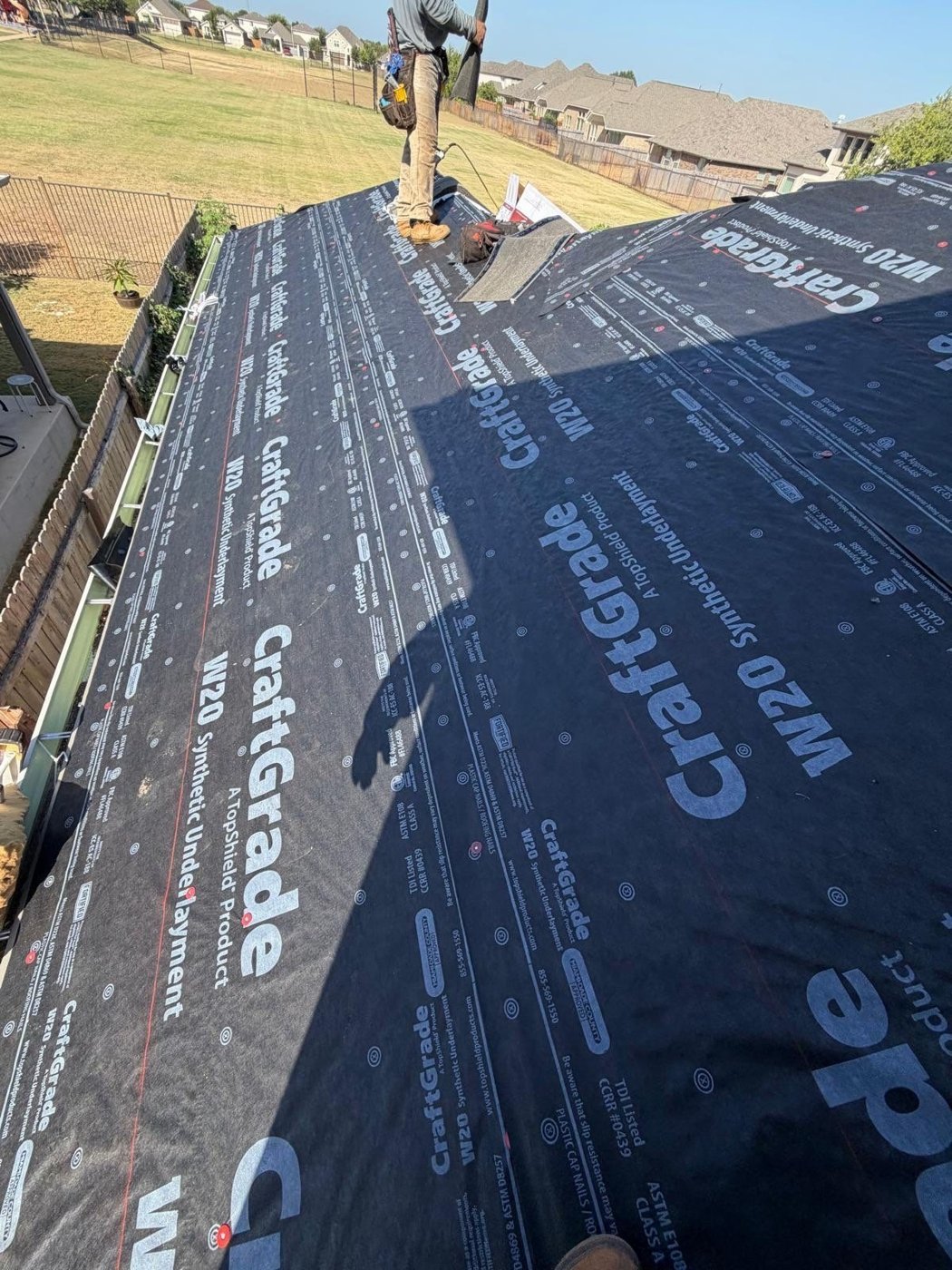
The best roofing caulk for Texas homes is one that offers durability, UV resistance, and flexibility. GAF’s caulks are highly regarded for their performance, especially under Texas’s extreme weather conditions. These products are designed to withstand the intense heat and occasional cold snaps, ensuring your roof remains sealed and protected.
When selecting roofing caulk, consider the material of your roof and the typical environmental conditions. Caulks that are specifically formulated for roofing applications, like those from GAF, provide superior adhesion and durability. Investing in a quality product can prevent leaks and prolong the lifespan of your roof, reducing the need for frequent roof repair solutions.
Can you use silicone caulk on a roof?
Yes, silicone caulk can be used on roofs, but it is not always the best choice for every roof type. Silicone is known for its flexibility and water resistance, making it suitable for some roofing applications, particularly those with metal surfaces.
However, silicone caulk tends to have a high viscosity that can make it less ideal for porous surfaces or areas needing paint. Additionally, silicone may not adhere well to certain roofing materials like asphalt shingles. It is crucial to consider these factors and consult the manufacturer’s guidelines or a professional before deciding if silicone is right for your specific roofing needs. For comprehensive advice, the National Roofing Contractors Association is an excellent resource.
What caulk to use on roof?
The best types of caulk for use on roofs include polyurethane and butyl rubber. Polyurethane caulk is highly durable and offers excellent adhesion to a variety of roofing materials. Butyl rubber caulk is flexible and particularly effective in sealing areas susceptible to expansion and contraction, such as metal roofs.
Polyurethane is often preferred for its longevity and ability to form watertight seals. Butyl rubber is recommended for its resilience against harsh weather conditions, making it a solid choice for homes in Texas. Using the right caulk type is essential to maintain the structural integrity of your roof and ensure effective roof inspection services.
What is the best roofing sealant?
For roofing applications, the best sealant is typically a high-quality elastomeric or acrylic sealant. These sealants offer excellent flexibility and adhesion, which are crucial for handling the thermal expansion and contraction of roofing materials.
Elastomeric sealants are particularly effective in waterproofing and are often used to coat entire roofs. Acrylic sealants, on the other hand, are known for their UV resistance and longevity. Choosing the appropriate sealant contributes significantly to the overall performance and durability of your roof. For professional guidance, refer to the American Society of Home Inspectors.
How long does it take for roofing caulk to dry?
The drying time for roofing caulk can vary depending on the type of caulk used and environmental conditions. Generally, it takes between 24 to 48 hours for caulk to fully cure. However, some fast-drying formulas can set within 2 to 6 hours.
Factors such as humidity, temperature, and the specific formulation of the caulk will influence drying times. Always follow the manufacturer’s instructions to ensure optimal results. Proper curing is critical for the caulk to achieve its intended performance, especially in preparing for installations as detailed in What to Expect During Roof Installation.
Which caulk is best?
Choosing the best caulk depends on your specific needs and the roofing materials involved. Polyurethane caulk is often recommended for its excellent adhesion and durability, while butyl rubber caulk offers flexibility and resilience. Both types are excellent choices to withstand Texas’s harsh weather conditions.
| Type of Roofing Caulk | Suitability for Texas Weather | Drying Time | Roofing Material Compatibility |
|---|---|---|---|
| Polyurethane | High | 24–48 hours | Asphalt, metal |
| Butyl Rubber | Moderate | 24–48 hours | Metal, flexible surfaces |
| Silicone | Low | 24–48 hours | Metal |
By evaluating these factors, you can select the most appropriate caulk for your roofing project, ensuring long-lasting protection and performance.
Top Brands for Roofing Caulk
Reliable roofing caulk brands include GAF, DAP, and Henry. These brands are renowned for their quality and have products specifically designed for different roofing applications. They offer a range of options that cater to various roofing materials and environmental conditions.
Investing in a well-regarded brand ensures that you are using a product tested for durability and performance. These brands are leaders in the industry, trusted by professionals for ensuring roofs are sealed correctly and efficiently.
What is the best RV roof caulk?
For RV roofs, the best caulk is typically a self-leveling sealant like those from Dicor. Dicor’s self-leveling caulks are designed specifically for RV roofs, providing excellent adhesion and flexibility that can handle the movement and vibrations experienced while on the road.
These sealants are UV resistant and suitable for a variety of surfaces commonly used in RV roofs, such as rubber and fiberglass. Using the right caulk for your RV not only protects against leaks but also helps maintain the structural integrity of the vehicle.
Secure Your Roof with a Free Inspection
Ensure your roof is ready to handle any weather with our free roof inspection. With over 30 years of experience, GAF Certification, and a lifetime workmanship warranty, our team at Flagstone Roofing guarantees top-quality service. Call 855-898-ROOF today or visit our website to schedule your free inspection and keep your home protected.
Frequently Asked Questions
What’s the best roofing caulk?
The best roofing caulk for your needs will depend on your specific roofing material and local weather conditions. Generally, look for caulks that are designed for UV resistance and can expand and contract with temperature changes.
Can you use silicone caulk on a roof?
Yes, silicone caulk can be used on roofing, but it’s important to check if it’s compatible with your roofing material. Silicone provides good flexibility and weather resistance but may not adhere well to some surfaces.
What caulk to use on roof?
For roofing, polyurethane and butyl rubber caulks are often recommended due to their durability and weather resistance. Always choose a product that specifies its suitability for roofing applications.
How long does it take for roofing caulk to dry?
Drying times for roofing caulk can vary based on the product and environmental conditions. On average, it may take 24 hours for the caulk to fully cure, but some products may dry faster.
What is the best roofing sealant?
The best roofing sealant typically includes options like elastomeric coatings and silicone sealants. These products provide excellent waterproofing and UV protection, making them suitable for various roofing applications.
What is the best RV roof caulk?
For RV roofs, silicone or polyurethane caulks are often recommended. They provide a strong seal and flexibility to withstand movement and temperature changes experienced during travel.