After Heavy Rains Hit Victoria, Texas: Is Your Roof Still Okay?
Victoria, Texas has recently been battered by intense storms, with heavy rainfall flooding streets, surging rivers, and sending water into neighborhoods across the area. While the storm clouds have moved on, many homeowners don’t realize that the worst damage often hides itself until it’s too late.
In this post, we’ll break down:
- What the recent storm brought to Victoria
- Tell-tale signs your roof may be compromised
- Why early action matters in South Texas
- What a professional roofing team can do to help
- Steps you should take now
The Recent Storm in Victoria: What It Did
Torrential Rain & Flash Flooding: Victoria experienced prolonged downpours, leading to flooded roads and overflowing drainage systems. These flood conditions test more than basements; they can stress roof drains, gutters, and flashing.
Thunderstorms & Hail Potential: Victoria lies in a region with regular thunderstorm activity. In the past year, hail has been reported in the area on multiple occasions. Even if your specific home didn’t take a direct hit, surrounding hail can chip, bruise, or wear roofing materials over time.
Wind Gusts & Debris Risk: Thunderstorms often come with gusty winds. Loose branches, siding, or even yard objects can get hurled onto roofs or against flashing, causing hidden damage.
Warning Signs: Is Your Roof Suffering?
After a storm, carefully (and safely) look for:
- Missing, cracked, or curling shingles
- Granule accumulation in gutters or downspouts
- Dents, bruises, or impact marks on vents, gutter edges, or flashing
- Water stains or discolored patches in ceilings, walls, or attic spaces
- Warped sheathing or sagging deck under the roof
- Leaks or drips during subsequent rain
Also inspect attic space look for spots of daylight, moisture, or sagging in the roof deck.
Why You Can’t Wait: Damage Escalates Fast
Hidden Problems Turn Big: What seems like a small puncture or cracked flashing can let water seep in, rot rafters, degrade insulation, and invite mold growth. Repairs multiply quickly.
Insurance Claims Need Early Documentation: Insurance companies often expect damage documented soon after the event. Delays can make claims more difficult.
You’ll Want Peace of Mind: In South Texas, another storm may be just over the horizon. Getting your roofing system in good health now gives you confidence when the next line of storms arrives.
How a Roofing Pro Can Help You Rebuild & Protect
Working with a professional roof contractor gives you:
- Comprehensive storm damage inspection roof surface, attic, flashing, vents
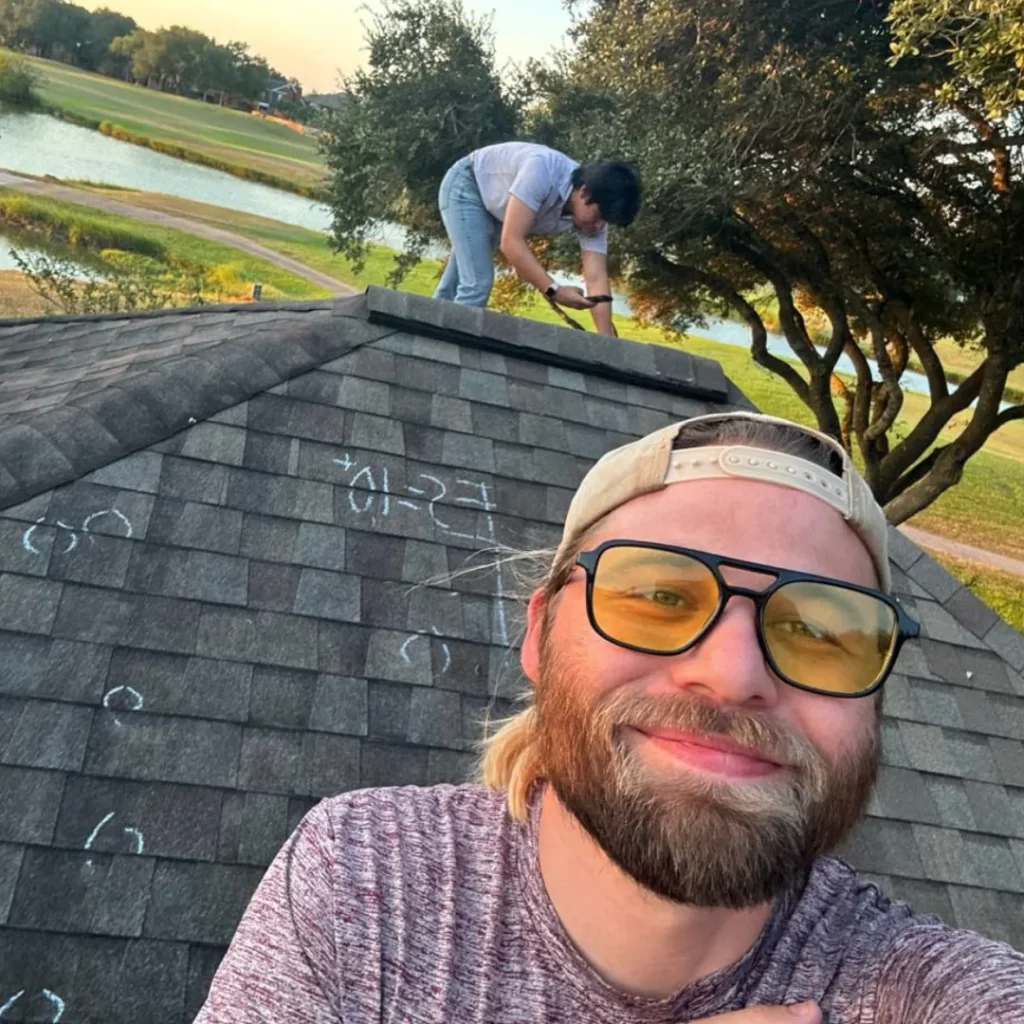
- Photo documentation and reports you can use for insurance
- Temporary covers (tarps, sealants) to prevent further leaks
- Proper repairs or replacement of damaged shingles, flashing, gutters, etc.
- Upgrades or recommendations for storm-resistant materials
- Warranties on workmanship and products for long-term protection
What You Should Do Today
- Don’t attempt a roof walk yourself safety first.
- Schedule a professional inspection as soon as possible.
- Start documenting damage photos of gutters, roof edges, interior ceilings, attic.
- If water is already getting in, ask the roofer about temporary patching or tarping.
- Ask about reinforced roofing materials when repairing to better resist hail or wind next time.
The recent storm brought heavy rain, flooding, and likely stress to your roof—even if damage isn’t obvious now. Acting quickly now can prevent much larger issues later. Don’t wait until leaks start pouring through your ceilings.
Reach out to a trusted local roofing team in Victoria for a full storm-damage evaluation today. Better safe now than sorry after the next downpour.