# What Does a Community Relations Rep Do?
The job title sounds vague until you watch someone do it for a day. A community relations rep is the person who shows up in a neighborhood after a storm, knocks on doors that nobody asked them to knock on, and starts the conversation that turns into a booked roof inspection. It is the entry point into roofing for most people who have never done this work, and it is the role where you find out quickly whether the rest of the career suits you.
The short answer
A community relations rep works assigned neighborhoods, introduces the company to homeowners, identifies homes with likely storm or age-related roof damage, and books inspections for the sales and inspection team. The role is outdoor, conversational and self-managed. It requires no roofing background, and it is the most common path into a full roofing sales position.
Key Takeaways
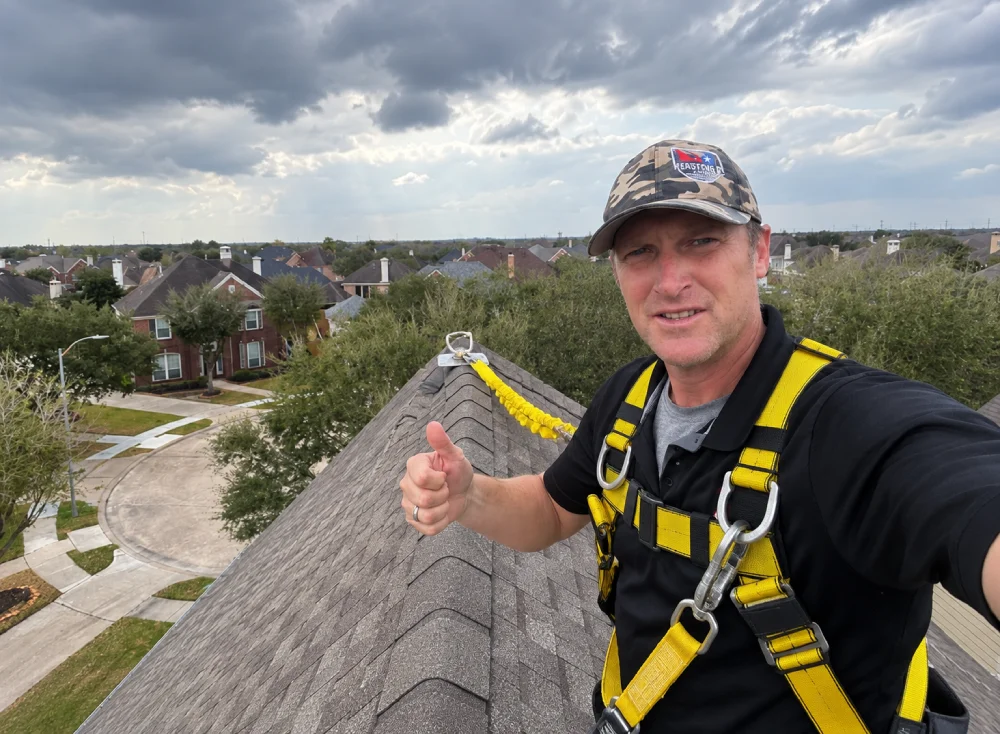
- The core job is starting conversations and booking inspections, not closing large contracts.
- Territory is assigned, so you are not inventing your own route from nothing.
- Success is driven by consistency and hours on the street, not by natural sales talent.
- It is the standard stepping stone into a full sales role at most roofing companies.
- No degree, no license and no prior experience are required to start.
A realistic day
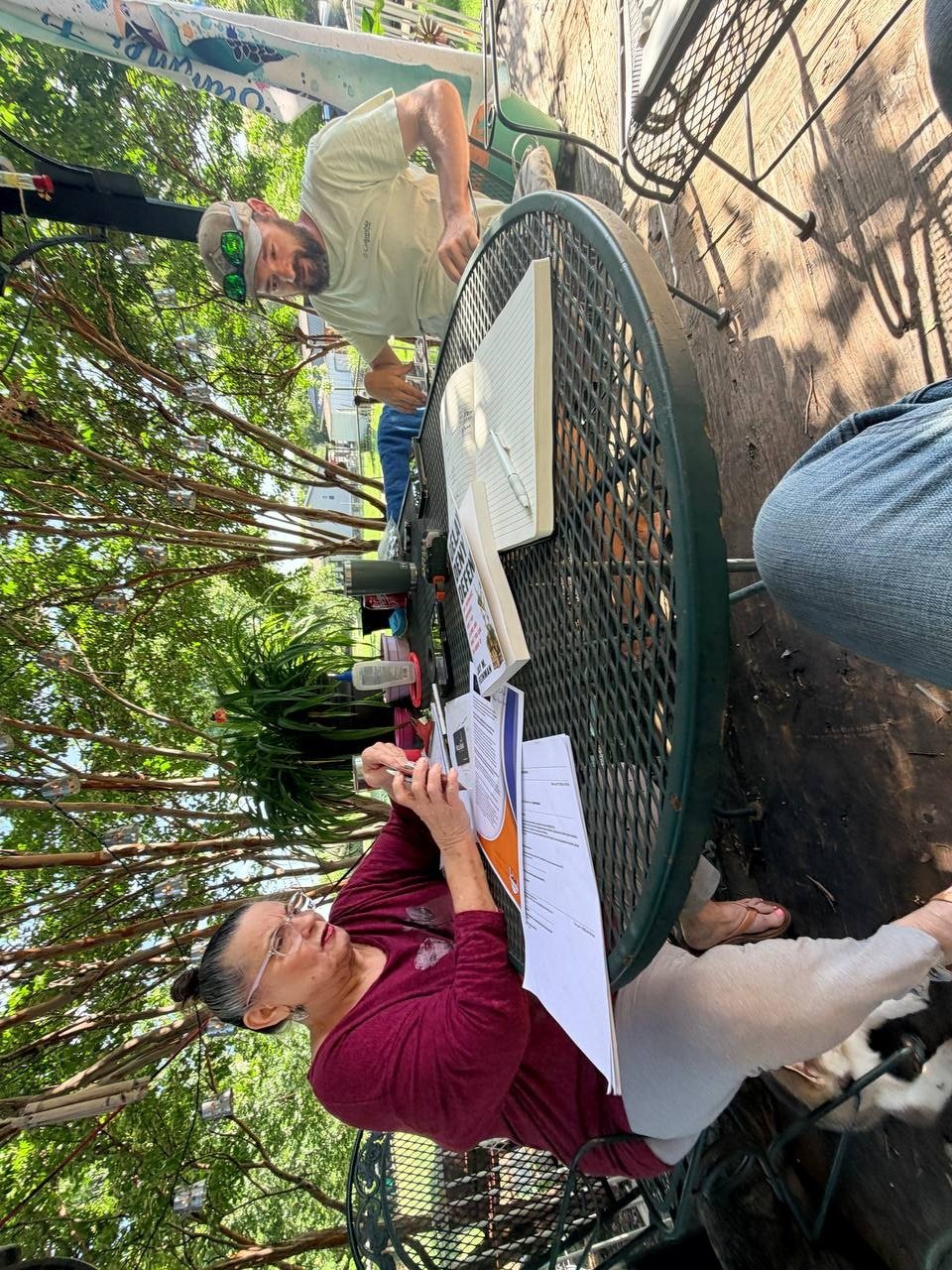
Most days start with a short team meeting: which neighborhoods are being worked, what storms recently came through, what to look for. Then you are out.
You walk a set of streets. You look at roofs from the ground — missing shingles, damaged ridge caps, gutters full of granules, damaged fence tops and dented vents that suggest hail came through. You knock. Most people are not home. Of the ones who are, most say no. Some say yes, and you set an inspection.
In the afternoon you follow up on people who asked you to come back. Before you finish, you log what you did and what you booked.
That is genuinely the job. It is repetitive by design, because the results come from volume and consistency rather than from any single perfect conversation.
What separates the reps who do well
| Reps who last | Reps who do not | |
|---|---|---|
| Approach to no | Move to the next door in a minute | Replay it for an hour |
| Daily structure | Same start time, planned streets | Start when they feel like it |
| Product knowledge | Learn what damage looks like | Recite a script |
| Follow-up | Written down and actioned | Remembered, then forgotten |
| Honesty | Say “the inspector will confirm” | Promise a claim outcome |
That last row matters more than it looks. Telling a homeowner their claim will be approved is something you cannot know, and it damages the trust the whole job runs on. The right answer is always that an inspection will establish what is actually there.
What you do not have to do
You are not expected to climb roofs on day one. You are not expected to know shingle types, adjust an insurance claim, or price a job. Those are separate skills that come later, from people who already do them.
You are also not cold-calling from a phone list in an office. The work is face to face and outdoors, which is exactly why it appeals to people who cannot stand desk jobs.
Who this role suits
It suits people who want to be outside, who like talking to strangers or are willing to get comfortable doing it, and who want their income to reflect their effort rather than their job title. It suits people coming out of restaurant work, retail, the trades, the military, and coaching — all of which show up regularly on our team.
It does not suit people who need a fixed, predictable weekly number, or who want to be told exactly what to do every hour. That is not a criticism of anyone; it is just a poor match.
Where it leads
Community relations is the entry point, not the destination. Reps who prove they can work a territory consistently move into full sales roles, where they run inspections and handle the claim process end to end. From there the paths are territory management, training new reps, or the production side.
If you want to see the role it usually leads into, read what a roofing sales rep actually does, and if you want to see what the openings look like, high-income roofing sales jobs in Texas lists what we are hiring for. For neutral background on how field sales roles are structured, the Bureau of Labor Statistics profile is a useful outside reference.
How pay works in this role
Compensation is commission-based, which is the part worth understanding clearly before you start rather than afterwards. What you book drives what you earn, and there is no ceiling written into the role. That structure is why the job attracts people who feel capped somewhere else, and it is equally why it does not suit someone who needs an identical number in the bank every Friday.
Ask in the interview exactly how the structure works, how often it pays, and what a realistic first 90 days looks like. Any company worth working for will answer all three plainly.
Training and what we provide
Flagstone Roofing has been in business in Texas for 30 years. New reps train in the field alongside someone already doing the job, supported in the office by our 6 Figure Blueprint program. Territory is assigned, so you are not guessing where to go. There is no cost to join and nothing resembling the paid-training arrangements some companies use.
Book an interview with Flagstone Roofing — or call 855-898-ROOF and ask about hiring. Bring questions about territory and training; those are the right ones to ask.
Frequently Asked Questions
Is a community relations rep the same as a canvasser?
The work overlaps closely. The role covers walking assigned neighborhoods, introducing the company and booking roof inspections. The title reflects that the job is about representing the company in a community rather than pushing a one-off sale.
Do you need experience to be a community relations rep?
No. It is the most common entry point into roofing for people with no industry background. Training happens in the field with someone already doing the work, and territory is assigned rather than left to you to invent.
Do community relations reps climb roofs?
Not on day one. Identifying likely damage is done from the ground at first, and a trained inspector confirms what is actually there. Getting on roofs comes later, as part of moving toward a full sales role.
How is a community relations rep paid?
The role is commission-based, so what you book drives what you earn and there is no ceiling written into it. Ask in the interview exactly how the structure works and how often it pays so you can plan around it.
What should you never tell a homeowner in this role?
Never tell a homeowner their insurance claim will be approved. You cannot know that, and it damages the trust the whole job depends on. The correct answer is always that an inspection will establish what is actually there.
Where does the community relations role lead?
Reps who work a territory consistently move into full sales roles running inspections and handling the claim process end to end, and from there into territory management, training new reps, or the production side running jobs.