
Key Takeaways
- New roofs generally come with warranties ranging from 20 to 50 years.
- The warranty duration often depends on the roofing material and manufacturer’s guidelines.
- Homeowners should check the warranty details for specific coverage and limitations.
- Flat roofs typically have shorter warranties compared to pitched roofs.
How Long Is a New Roof Guaranteed For? Understanding how long a new roof is guaranteed for is crucial for homeowners. A new roof’s warranty can vary significantly, often ranging from 20 to 50 years, depending on the materials used and the manufacturer’s guidelines. Knowing the specifics of your roof warranty can help you plan for the future and ensure you’re covered against potential issues.
How long should a new roof be guaranteed for?
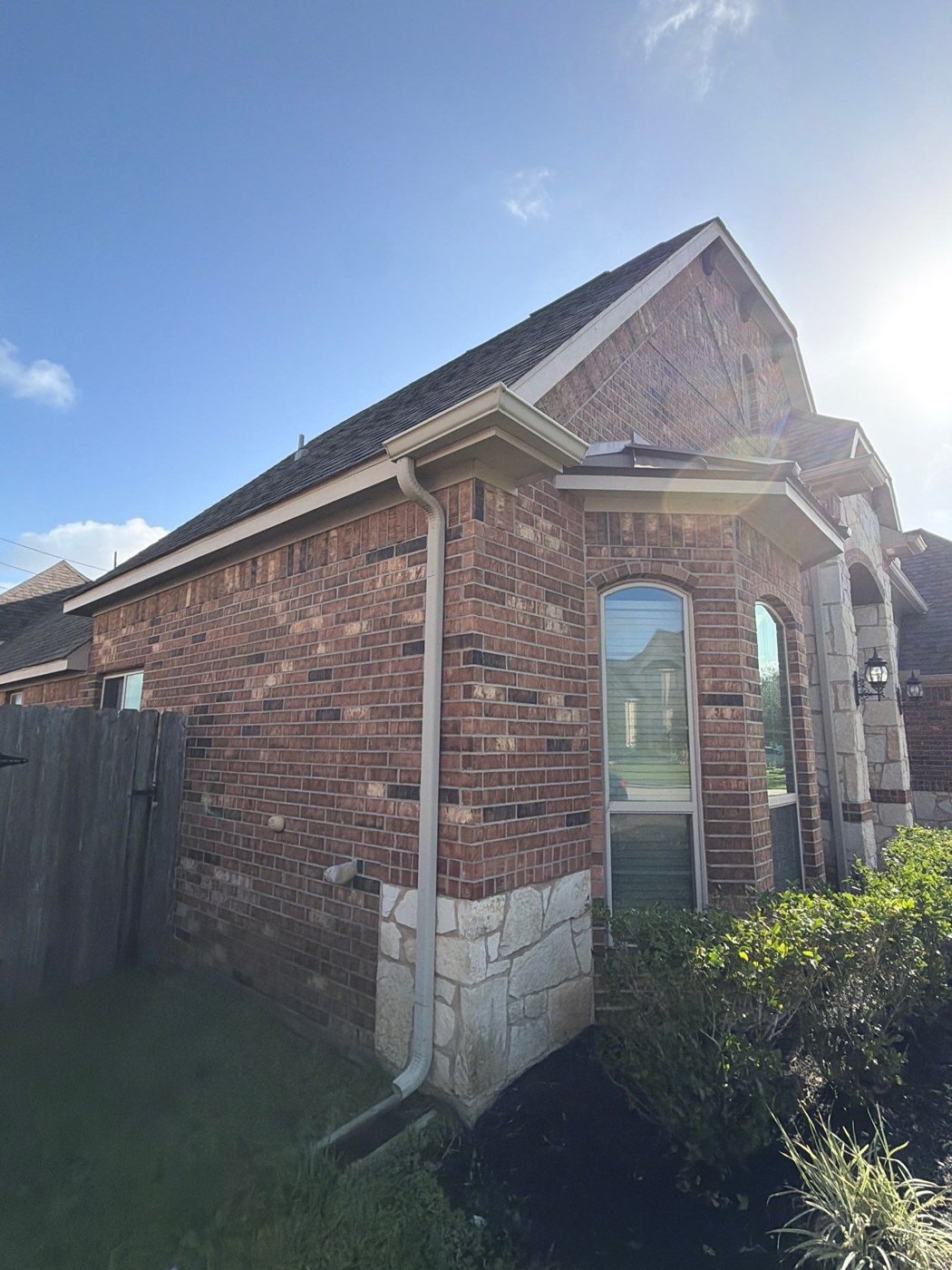
A new roof should ideally be guaranteed for a period between 20 to 50 years, depending on the roofing material and the manufacturer’s policy. Asphalt shingles, for instance, commonly come with 20 to 30-year warranties, while metal and tile roofs can offer warranties extending up to 50 years. It’s important for homeowners to review the warranty terms to understand what is covered and any conditions that may apply.
Different roofing materials have different expected lifespans and corresponding warranties. Asphalt shingles, the most common roofing material, usually have a warranty of 20 to 30 years. Metal roofs, which are known for their durability, often come with warranties of up to 50 years. Tile roofs also offer long warranty periods, typically between 30 to 50 years. These warranties cover defects in manufacturing and sometimes installation issues, but homeowners should be aware that certain conditions, like poor maintenance or severe weather, might not be covered.
Do you get a guarantee with a new roof?
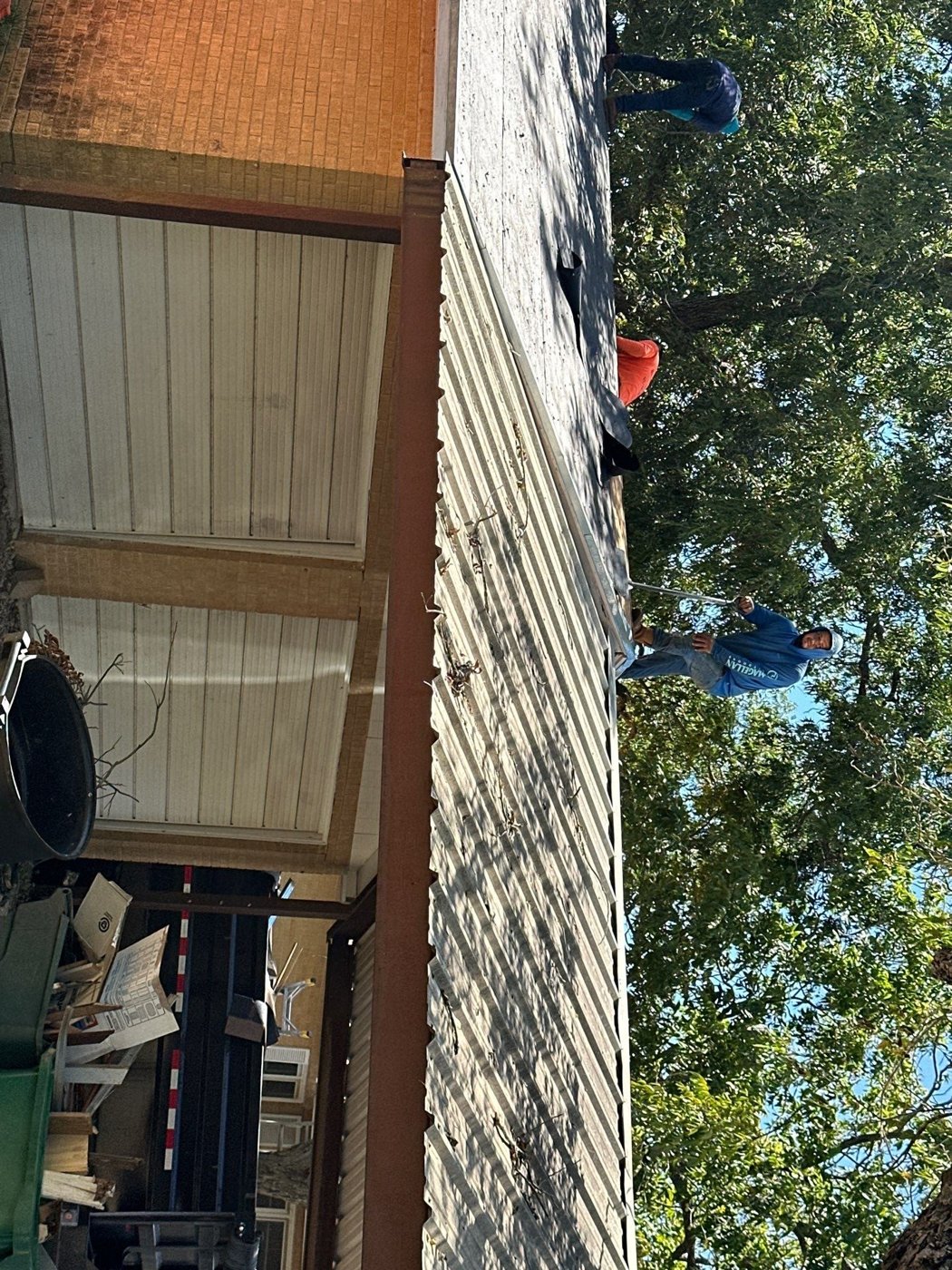
Yes, when you purchase a new roof, it typically comes with a manufacturer’s guarantee, covering defects in materials and sometimes workmanship. These guarantees ensure that if issues arise that are covered by the warranty, repairs or replacements may be provided at no additional cost to the homeowner.
Most roofing manufacturers provide a warranty with their products, which is a significant reassurance for homeowners. These warranties can cover a wide range of potential issues, from manufacturing defects to premature wear. It’s crucial for homeowners to obtain all warranty documentation at the time of purchase and installation. This documentation will detail the length of the warranty, what it covers, and the procedures for making a claim.
How long is a new roof under warranty?
The duration a new roof is under warranty can vary widely, commonly ranging from 20 to 50 years. The length of the warranty largely depends on the type of roofing material used and the specific terms set forth by the manufacturer.
For example, asphalt shingles might carry a 20 to 30-year warranty, while metal roofs can extend up to 50 years. It’s essential to differentiate between the manufacturer’s warranty and any additional warranties provided by the roofing contractor. Contractor warranties often cover workmanship and installation, which may be shorter, typically around 5 to 10 years. Reviewing both types of warranties will give homeowners a comprehensive view of the protection available.
How long does a new roof warranty last?
A new roof warranty usually lasts between 20 to 50 years, with the duration varying based on the roofing material and the manufacturer’s guidelines. This warranty period provides protection against defects and sometimes workmanship issues, ensuring long-term security for homeowners.
The warranty length is heavily influenced by the material used. Here’s a quick comparison:
| Roofing Material | Warranty Length |
|---|---|
| Asphalt Shingles | 20-30 years |
| Metal | 40-50 years |
| Tile | 30-50 years |
In addition to the manufacturer’s warranty, many roofing contractors offer workmanship warranties that cover the installation process. These warranties are typically shorter, lasting about 5 to 10 years, but they are crucial as they cover potential errors made during installation.
How long should a new roof warranty be?
A new roof warranty should ideally be long enough to cover the expected lifespan of the roofing material, generally between 20 to 50 years. This ensures that homeowners are adequately protected from potential defects and issues that could arise over time.
Homeowners should consider both the manufacturer’s warranty and any contractor warranties when evaluating the coverage for their new roof. A robust warranty package will cover both materials and workmanship, providing comprehensive protection. Before finalizing any roofing project, it’s recommended to discuss the warranty terms with your roofing contractor to ensure there is full understanding and agreement on what is covered.
How long is a flat roof guaranteed for?
Flat roofs generally have shorter warranties compared to pitched roofs, often ranging from 10 to 20 years. This is due to the materials used and the additional wear they experience due to water pooling and UV exposure.
Flat roofs are typically covered with materials like modified bitumen or EPDM rubber, which have different endurance levels compared to traditional pitched roof materials. Their warranties reflect the challenges these roofs face, such as water drainage issues and increased exposure to the elements. Because of these factors, it’s crucial for homeowners with flat roofs to perform regular maintenance and inspections to preserve the integrity of their roofs and retain warranty coverage.
How long does it take to tear off and replace a roof?
Replacing a roof typically takes between 1 to 3 days, depending on the size of the roof and the complexity of the project. Factors such as weather conditions and the type of roofing material can influence the time required.
Here’s a step-by-step overview of the process:
1. Initial Inspection: A thorough assessment is conducted to determine the extent of the replacement needed.
2. Preparation: Protective measures are put in place to safeguard landscaping and property.
3. Tear-Off: The old roofing material is removed.
4. Repair: Any damage to the roof deck is repaired.
5. Installation: New roofing materials are installed.
6. Final Inspection: The completed roof is inspected to ensure quality and adherence to warranty conditions.
Engaging a professional roofing service like Roof Inspection Services ensures the process is efficient and aligns with warranty requirements.
Get Your Roof Covered with a Long-Lasting Warranty
When investing in a new roof, understanding the warranty options can significantly affect your long-term satisfaction and confidence in your investment. At Flagstone Roofing, we offer comprehensive roofing solutions backed by robust warranties that ensure quality and reliability. Our 30+ years of experience as a GAF Certified and BBB A+ rated contractor means your roof is in expert hands, with a lifetime workmanship warranty ensuring your home stays protected for decades. Schedule your free inspection today or call 855-898-ROOF to secure a worry-free roofing experience.
Frequently Asked Questions
How long should a new roof be guaranteed for?
A new roof should typically be guaranteed for 20 to 50 years, depending on the materials and the manufacturer’s warranty. It’s important to read the warranty for specific terms.
Do you get a guarantee with a new roof?
Yes, most new roofs come with a guarantee from the manufacturer or the contractor. This guarantee usually covers defects or issues arising from workmanship or materials.
How long does a new roof warranty last?
The warranty on a new roof can last anywhere from 20 to 50 years. The duration can vary based on the type of materials used and the specifics of the manufacturer’s warranty.
How long is a flat roof guaranteed for?
Flat roofs typically have warranties ranging from 10 to 30 years, which is shorter than many pitched roofs. The exact warranty length can depend on the materials chosen.
How long does it take to tear off and replace a roof?
Tearing off and replacing a roof can take anywhere from one to several days, depending on the size of the roof and the materials involved. A professional contractor can provide a more accurate timeframe.