
# How Often Should You Have a Roof Inspection in Texas?
If you own a home in Texas, your roof deals with heat, wind, hail, heavy rain, and long stretches of intense sun. A roof inspection Texas homeowners schedule before a small problem becomes a major repair can save stress and help you understand what condition your roof is actually in.
The goal is not to replace a roof just because it is getting older. The goal is to find problems early, understand whether they need repair or replacement, and make decisions based on what is really happening on the roof.
Key Takeaways
- Annual inspections — A yearly professional inspection helps Texas homeowners understand their roof’s condition before small problems become larger repairs.
- Storm inspections — A major hail or wind event is a good reason to have the roof checked, even when no leak is visible.
- Warning signs — Missing shingles, visible damage, new leaks, or storm debris are reasons to schedule an inspection sooner.
- Repair vs. replacement — An inspection helps determine whether the roof may need a targeted repair, monitoring, or consideration of replacement.
Direct Answer: How often should you have a roof inspection in Texas?
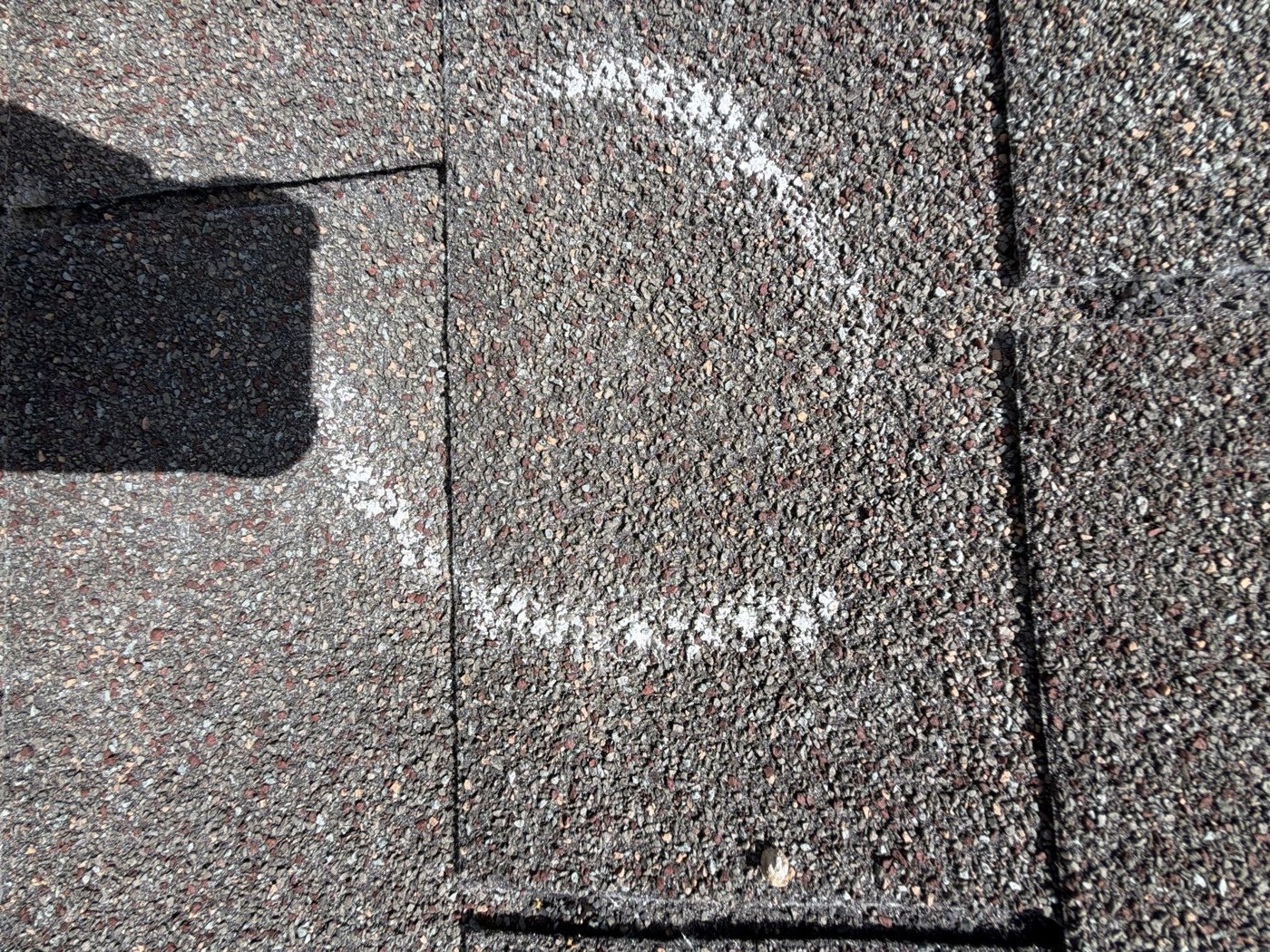
Most Texas homeowners should consider a professional roof inspection at least once a year, and sooner after a major hail or wind event or whenever they notice signs of damage. A professional inspection can identify missing or damaged shingles, flashing problems, exposed areas, drainage issues, and other concerns before they become more expensive problems.
The right timing also depends on the age and condition of the roof, recent weather, and what you can see from the ground.
What are the key roof inspection takeaways for Texas homeowners?
- A yearly inspection gives you a clearer picture of your roof’s condition.
- A major hail or wind event is a good reason to have the roof checked.
- Visible warning signs should not be ignored just because the roof is not leaking yet.
- An inspection is different from automatically recommending a roof replacement.
- A written explanation of what was found can help you decide what to do next.
Why does Texas weather make roof inspections important?
Texas roofs face conditions that can change the roof over time even when damage is not obvious from the ground. Hail can damage roofing materials, wind can affect shingles and other roof components, and prolonged heat and sun exposure can contribute to wear.
Homeowners often notice a roof problem only after water enters the house. By then, the issue may involve more than the original damaged area.
A roof inspection is useful because it moves the decision from guesswork to evidence. Instead of waiting for a ceiling stain or active leak, you can have the roof checked and understand what needs attention.
When should you schedule a roof inspection after a storm?
You should consider a roof inspection after a significant hail or wind event, especially if your neighborhood experienced the same weather. You do not need to wait for a visible leak before asking someone to look at the roof.
After a storm, look from the ground for obvious warning signs such as missing shingles, damaged gutters, visible debris, or pieces of roofing material in the yard. Do not climb onto the roof yourself to investigate.
An inspection can determine whether the roof has damage that is not visible from the ground and whether additional documentation is needed before you decide on repairs.
What signs mean you should not wait for your next annual inspection?
Some warning signs deserve attention before your next routine roof inspection. These include:
1. A new ceiling stain or evidence of water intrusion.
2. Missing, lifted, cracked, or visibly damaged shingles.
3. Roofing material or debris appearing in the yard after a storm.
4. Damaged flashing around roof openings.
5. Gutters containing an unusual amount of roofing granules.
6. A visible change in the roofline.
7. Any recent storm that caused obvious damage in the surrounding area.
The key point is simple: a roof does not need to be actively leaking before it needs to be inspected.
How often should an older Texas roof be inspected?
Older roofs deserve more attention because you have less remaining margin for unexpected problems. That does not automatically mean an older roof needs replacement. It means its condition should be understood.
A professional inspection can help separate normal wear from damage that needs action. It can also help you decide whether a repair makes sense or whether replacement should be considered.
A useful inspection should give you a practical explanation of what was found rather than simply telling you that the roof is old.
Can a roof inspection tell you whether you need a repair or replacement?
Yes. A good inspection should help you understand the condition of the roof and what options make sense.
A repair may be appropriate when the problem is limited and the rest of the roof remains in usable condition. Replacement may make more sense when damage or deterioration is widespread.
The right answer depends on the actual condition of the roof, not simply its age or the fact that a storm happened.
Repair vs. replacement
| Situation | What an inspection helps determine |
|---|---|
| Limited visible damage | Whether a targeted repair may address the problem |
| Storm-related damage | What areas were affected and whether further inspection is needed |
| Repeated leaks | Whether the same problem keeps returning and why |
| Aging roof with no obvious leak | Overall condition and remaining concerns |
| Widespread damage | Whether repair or replacement is the more practical path |
The purpose of the inspection is to give you information so you can make the decision with less uncertainty.
What happens during a professional roof inspection?
A professional inspection should focus on the roof and the components that affect its performance. The exact inspection process can vary, but the objective is to identify visible damage, areas of concern, and conditions that may lead to problems.
Depending on the property, an inspection may include looking at roofing materials, flashing, drainage areas, and other visible roof components.
You should also expect the inspector or roofing professional to explain what was found in plain language. A homeowner should not have to decode a long list of technical terms to understand whether the roof needs attention.
How can a roof inspection help with insurance after a storm?
After a storm, homeowners often have questions about whether damage is significant enough to report and what evidence they should keep.
An inspection can help document what was observed on the roof and give you a clearer understanding of the condition before you make decisions about repairs or an insurance claim.
An inspection does not guarantee an insurance outcome. It gives you better information about the physical condition of the roof.
What should you ask the roofing company before scheduling an inspection?
Ask what the inspection includes, what you will receive afterward, and how the company handles recommendations.
You can also ask how long the company has been serving homeowners, what certifications it maintains, and what workmanship protection it offers.
For example, Flagstone Roofing & Exteriors has more than 30 years of experience, is GAF Certified, is BBB A+ rated, works with every insurer, and offers a lifetime workmanship warranty.
Those details matter because a roof inspection is useful only when the person evaluating the roof has the experience to explain what the findings mean.
How can you prepare for a roof inspection?
You do not need to climb onto the roof or try to diagnose damage yourself.
Before the appointment, note any leaks, stains, storm dates, or changes you have noticed. If you saw debris or visible damage after a storm, mention that to the roofing professional.
It is also helpful to write down your questions beforehand. A good inspection should leave you with a clearer understanding of what was found and what should happen next.
What is the best way to avoid expensive roofing surprises?
The simplest approach is to stay ahead of obvious problems.
Schedule regular inspections, pay attention after major weather events, and respond to visible warning signs rather than waiting for a leak to force the issue.
You also do not need to approve a replacement just because an inspection finds damage. The purpose of a professional inspection is to give you information so you can make a better decision.
Get Your Roof Checked Before a Small Problem Gets Bigger
If you are concerned about your roof or want a professional opinion after a Texas storm, Flagstone Roofing & Exteriors offers a free inspection and quote.
Flagstone Roofing & Exteriors has more than 30 years of experience, is GAF Certified, is BBB A+ rated, works with every insurer, and backs its work with a lifetime workmanship warranty.
You can call 855-898-ROOF or book a free inspection with Flagstone Roofing & Exteriors.
Frequently Asked Questions
These are common questions Texas homeowners ask about roof inspections.
How often should a Texas homeowner get a roof inspection?
An annual inspection is a practical routine for many homeowners, with an additional inspection after a major hail or wind event or when visible warning signs appear.
Should I inspect my roof after hail even if there is no leak?
Yes. Hail damage is not always obvious from the ground, and a roof can have damage before water enters the home.
Does an old roof automatically need replacement?
No. Roof age is one factor, but the actual condition of the roof matters more than age alone.
Can a roof inspection find problems that are not visible from the ground?
Yes. A professional can evaluate roofing areas and components that are difficult for a homeowner to inspect safely from the ground.
Can I inspect my roof myself?
You can look for obvious warning signs from the ground, but climbing onto a roof creates unnecessary safety risks. A professional inspection is the better choice for a detailed evaluation.
Does a roof inspection mean I have to replace the roof?
No. An inspection is an evaluation. It can help determine whether repair, monitoring, or replacement should be considered.
How does Flagstone Roofing & Exteriors handle roof inspections?
Flagstone Roofing & Exteriors offers a free inspection and quote. The company has more than 30 years of experience, is GAF Certified, is BBB A+ rated, works with every insurer, and offers a lifetime workmanship warranty.
How do I schedule a Flagstone roof inspection?
Call 855-898-ROOF or book a free inspection with Flagstone Roofing & Exteriors.
Frequently Asked Questions
How often should a Texas homeowner get a roof inspection?
An annual inspection is a practical routine for many homeowners, with an additional inspection after a major hail or wind event or when visible warning signs appear.
Should I inspect my roof after hail even if there is no leak?
Yes. Hail damage is not always obvious from the ground, and a roof can have damage before water enters the home.
Does an old roof automatically need replacement?
No. Roof age is one factor, but the actual condition of the roof matters more than age alone.
Can a roof inspection find problems that are not visible from the ground?
Yes. A professional can evaluate roofing areas and components that are difficult for a homeowner to inspect safely from the ground.
Can I inspect my roof myself?
You can look for obvious warning signs from the ground, but climbing onto a roof creates unnecessary safety risks. A professional inspection is the better choice for a detailed evaluation.
Does a roof inspection mean I have to replace the roof?
No. An inspection is an evaluation. It can help determine whether repair, monitoring, or replacement should be considered.