A roof warranty sounds simple until you actually need it — and then homeowners discover that “warranty” can mean very different things. Understanding what’s covered (and what isn’t) protects the biggest investment on your home.
Roof Warranty Explained — the short version: most roofs come with two separate warranties — a manufacturer’s warranty on the materials and a workmanship warranty on the labor. Both matter, and the strongest protection comes from a certified installer who backs their work.
Key Takeaways
- A roof warranty in Texas usually has two parts: manufacturer (materials) and workmanship (labor).
- A manufacturer’s warranty doesn’t cover bad installation – that’s what the workmanship warranty is for.
- Certified installers like GAF-certified roofers unlock stronger, longer manufacturer warranties.
- Improper repairs or an uncertified installer can void your warranty.
- Always get your warranty terms in writing before work begins.
What Is a Manufacturer’s Warranty?
This covers defects in the roofing materials themselves — like shingles that fail prematurely. Coverage length varies by product and manufacturer (GAF, Owens Corning, CertainTeed, and others). Importantly, a standard manufacturer’s warranty does not cover installation mistakes, which is the most common cause of roof problems.
| What people ask | The short answer |
|---|---|
| What Is a Manufacturer’s Warranty | This covers defects in the roofing materials themselves — like shingles that fail prematurely. |
| What Is a Workmanship Warranty | This covers the quality of the installation — the labor. |
| Why Certification Matters | Manufacturer certifications like GAF aren’t just a badge — certified roofers can offer enhanced, longer manufacturer warranties that standard installers can’t. |
| What Can Void a Roof Warranty | Warranties have conditions. |
| Prorated or Not? The Line That Decides What a Claim Is Worth | A material warranty can read long on the cover and pay very little late in its life. |
| Register It, or You May Not Have It | Manufacturer coverage is usually conditional on registration: the installer submits the product, the job details and the install date, and your coverage is tied to that… |
What Is a Workmanship Warranty?
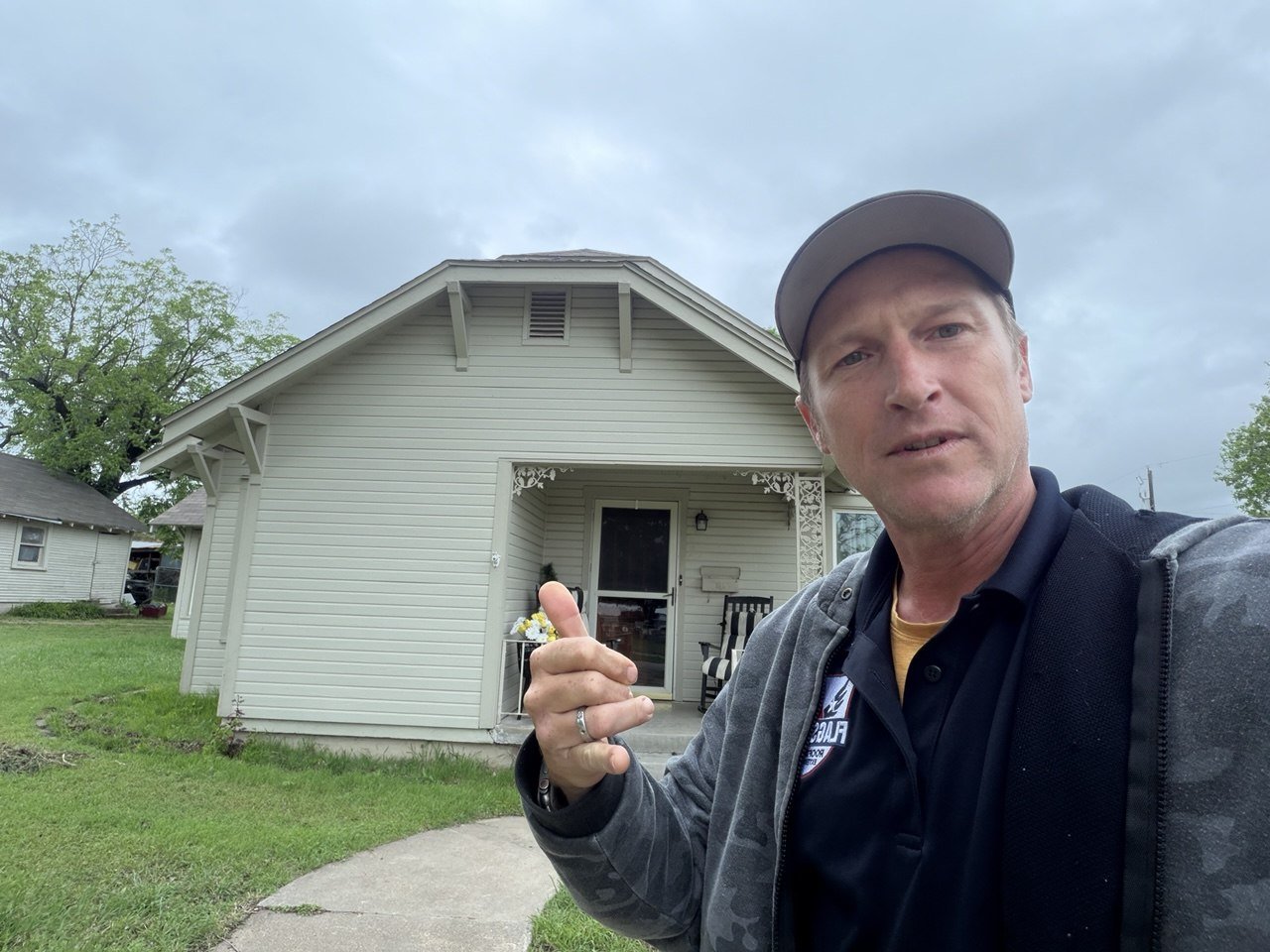
This covers the quality of the installation — the labor. If a leak develops because of how the roof was installed, the workmanship warranty is what protects you. Length and terms vary by contractor, so always ask how long it lasts and exactly what it covers.
Why Certification Matters
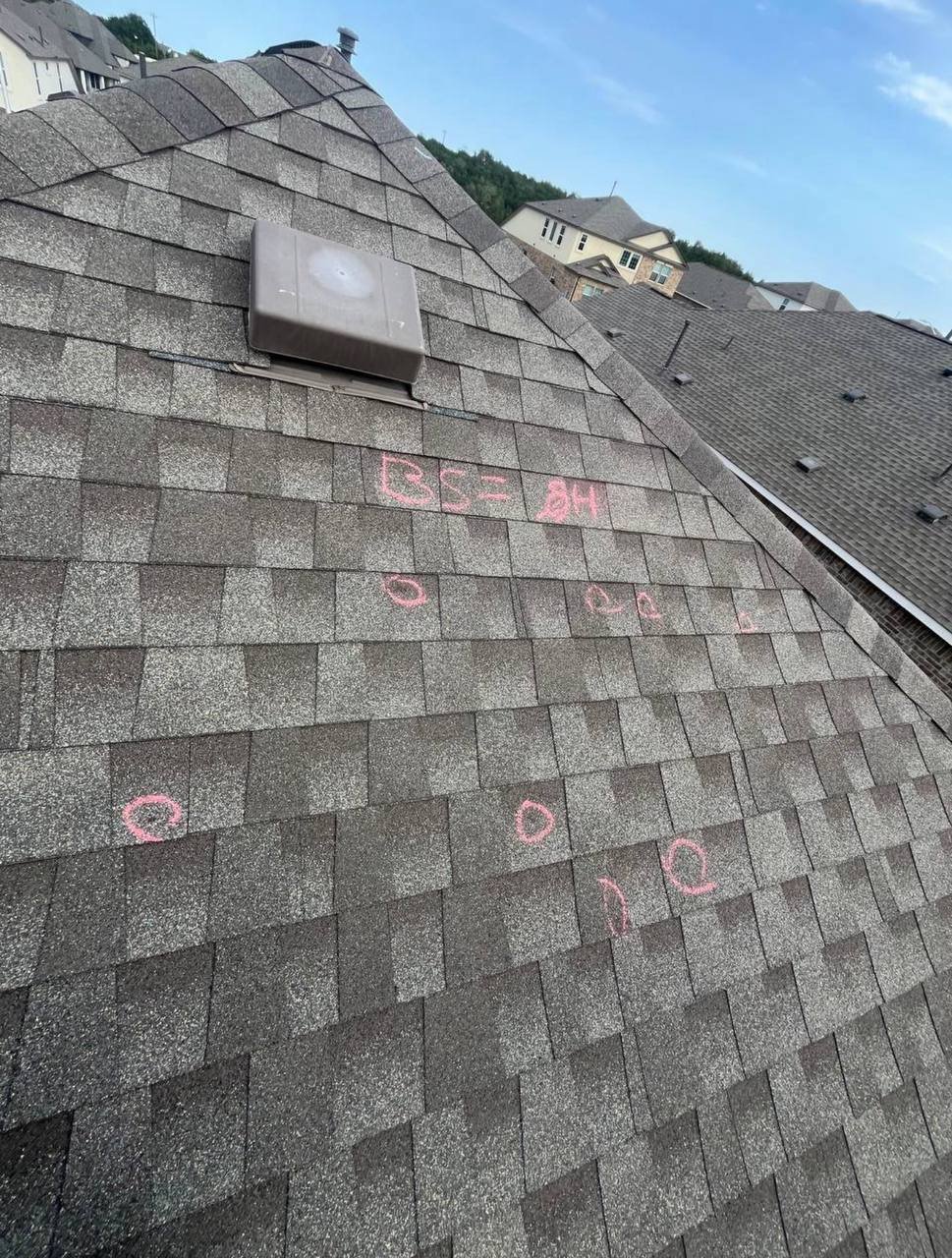
Manufacturer certifications like GAF aren’t just a badge — certified roofers can offer enhanced, longer manufacturer warranties that standard installers can’t. Certification means the roofer is trained and vetted, which is why it directly affects the protection you get.
What Can Void a Roof Warranty?
Warranties have conditions. Common ways homeowners accidentally void coverage include: using an uncertified installer, having unauthorized repairs done by another contractor, poor attic ventilation, or skipping required maintenance. Read the terms so you don’t lose coverage by accident.
Prorated or Not? The Line That Decides What a Claim Is Worth
A material warranty can read long on the cover and pay very little late in its life. Most
manufacturer warranties run in two phases: an early non-prorated period, where a covered defect
is made good at full value, and a prorated period after that, where what you are paid drops as
the roof ages. Coverage also differs in what it includes — some cover only the shingles
themselves, while the enhanced versions available through a certified installer can also cover
the labor to tear off and re-lay them, plus components like underlayment, starter strip and ridge
cap. The number on the front page tells you almost nothing. The schedule inside tells you
everything, so ask for it before you sign, not after a hailstorm.
Register It, or You May Not Have It
Manufacturer coverage is usually conditional on registration: the installer submits the product,
the job details and the install date, and your coverage is tied to that record. Enhanced
warranties nearly always require it, and registration windows are measured from the day the work
was completed. Ask your roofer three questions — did you register it, what is the certificate or
registration number, and can I have a copy in writing. If nobody can answer, assume you have the
basic coverage rather than the one you were sold.
What Happens When You Sell the House
Neither warranty automatically follows the house. Manufacturer warranties are often transferable,
but typically once only, inside a window after the sale, and sometimes for a fee. Workmanship
warranties vary from fully transferable to not at all. It matters more than sellers expect: a
roof with transferable coverage is a real line on a listing sheet, and a buyer’s inspector will
ask about it.
The Ways Homeowners Actually Void Coverage
The conditions are more specific than “don’t damage the roof”:
- Attic ventilation. Nearly every shingle manufacturer conditions coverage on meeting their
intake and exhaust requirements. Soffit vents packed shut with insulation are a common and
invisible failure.
- A layover. Installing new shingles over the old ones costs less on day one and can limit or
void the material warranty outright.
- Pressure washing. It strips the granules that carry the shingle’s UV protection. Use the
manufacturer’s approved cleaning method instead.
- Someone else’s work. A satellite dish lag-bolted through the deck, a solar array mounted by
another trade, or a patch made with the wrong sealant can all take a workmanship warranty off
the table.
- Skipped maintenance. Some warranties require periodic inspection. Keep the paperwork; an
undocumented roof is hard to defend.
What to Ask Before You Sign
Get both warranties in writing, in the same folder as the contract, and ask:
- Which manufacturer warranty is this — standard or enhanced — and what does it cover besides the
shingles themselves?
- When does the non-prorated period end?
- How long is your workmanship warranty, and exactly what does it cover?
- Are you certified by this manufacturer, and will you register the job in my name?
- Is either warranty transferable, and what does a buyer have to do to keep it?
A roofer who answers all five without hedging is telling you something about how they work.
Get Warranty Protection You Can Count On
Flagstone Roofing is GAF Certified, so we can offer strong manufacturer warranties plus our own workmanship warranty — and we put the terms in writing. With 30+ years and 400+ five-star reviews, we stand behind every roof we install.
Call 855-898-ROOF (7663) or book your free inspection today.
Frequently Asked Questions
What’s the difference between a manufacturer and workmanship warranty?
A manufacturer’s warranty covers defects in the roofing materials, while a workmanship warranty covers the quality of the installation. You need both for full protection.
Does a manufacturer’s warranty cover a bad installation?
No. Standard manufacturer warranties cover material defects only. Installation problems are covered by the roofer’s workmanship warranty, which is why the installer matters.
Why does GAF certification matter for warranties?
GAF-certified roofers can offer enhanced, longer manufacturer warranties that standard installers can’t, because certification means the roofer is trained and vetted.
What can void my roof warranty?
Using an uncertified installer, unauthorized repairs by another contractor, poor attic ventilation, and skipping required maintenance can all void coverage. Read the terms carefully.
Does Flagstone provide a workmanship warranty?
Yes. Flagstone is GAF Certified, so we offer strong manufacturer warranties plus our own workmanship warranty, with the terms provided in writing.