Your roof rarely fails all at once — it warns you first. Catching those warning signs early can mean the difference between a simple repair and a full replacement, or between an approved insurance claim and paying out of pocket. Here are the signs Texas homeowners should never ignore.
The short version: if you see missing or curling shingles, granules in your gutters, daylight or stains in the attic, a sagging roofline, or your roof is simply 15-plus years old, it’s time for a professional inspection. Some of these mean a repair; others mean replacement — only an inspection tells you which.
Key Takeaways
- The clearest signs you need a new roof in Texas are age, missing or curling shingles, granule loss, leaks or attic stains, and a sagging roofline.
- Not every sign means full replacement — many are repairs if caught early.
- Texas hail and wind can cause damage that isn’t visible from the ground.
- A roof over 15-20 years old should be inspected even if it looks fine.
- A free inspection tells you exactly where you stand.
1. Missing, Curling, or Cracked Shingles
Shingles that are missing, buckling, curling at the edges, or cracked are a clear sign your roof is wearing out or was damaged by wind. A few can be replaced; widespread curling usually points to a roof near the end of its life.
2. Granules in Your Gutters
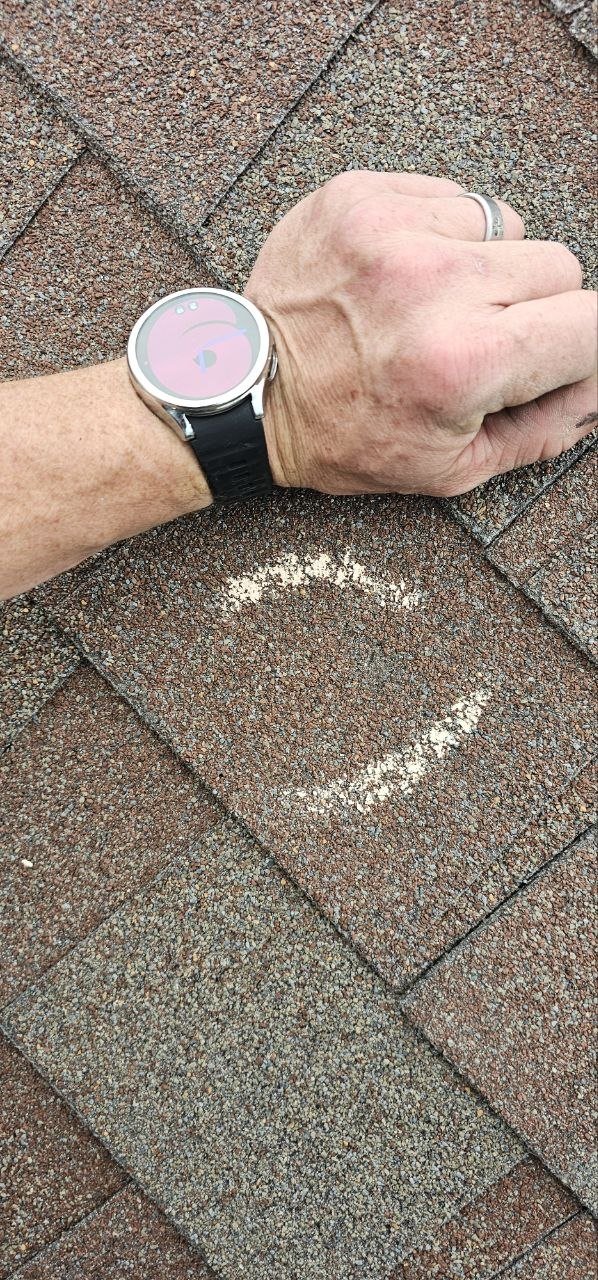
Those sand-like granules protect your shingles from the sun. When you find piles of them in your gutters or at downspouts, your shingles are breaking down — a common sign of age or hail damage in Texas.
3. Leaks, Water Stains, or Daylight in the Attic
Go into your attic. Water stains on the wood, damp insulation, or daylight coming through the roof deck all mean water is getting in. Even a small leak can lead to expensive rot and mold if ignored.
4. A Sagging or Uneven Roofline
A roof should look straight. Any sag, dip, or wave in the roofline can signal structural problems or trapped moisture in the decking — this one warrants a professional look right away.
5. Your Roof Is 15-20+ Years Old
Most asphalt shingle roofs last 15-25 years in Texas, and our hail, heat, and wind shorten that. If your roof is in that range, have it inspected even if it looks fine — especially before you try to sell or after a major storm.
What Should You Do If You See These Signs?
Don’t panic, and don’t assume the worst. Many of these are repairs if caught early. The right move is a professional inspection that tells you whether you need a repair, a replacement, or nothing at all — and whether recent storm damage might be covered by insurance.
Get a Free, Honest Inspection
If your roof is showing any of these signs, Flagstone Roofing will take an honest look and tell you exactly where you stand — repair, replace, or you’re good. Our inspection is free and no-pressure, we’re GAF Certified with 30+ years and 430+ five-star reviews, and we work with every insurance company.
Call 855-898-ROOF (7663) or book your free inspection today.
Frequently Asked Questions
How do I know if I need a new roof or just a repair?
Isolated damage caught early is usually a repair, while widespread shingle failure, an aging roof, or a sagging roofline points to replacement. A documented inspection tells you which.
How long does a roof last in Texas?
Most asphalt shingle roofs last 15 to 25 years in Texas, though hail, heat, and wind can shorten that. Metal and tile last much longer.
Are granules in the gutter a sign of a bad roof?
Yes. Granule loss means your shingles are wearing down from age or hail. Finding piles of granules is a common early warning sign in Texas.
Should I get my roof inspected if it looks fine?
Yes, if it’s 15-20+ years old or you’ve had a major hailstorm. A lot of roof damage isn’t visible from the ground, and catching it early prevents expensive leaks.
Is a roof inspection free at Flagstone?
Yes. Flagstone’s inspection is free and no-pressure – we only recommend work that’s genuinely needed, whether that’s a repair, replacement, or nothing at all.