# How Long Does a Roof Last in Texas?
You bought the house nine years ago and the seller said the roof was “newer.” Now a neighbor is getting theirs replaced and you are doing math in your head. How long does a roof last in Texas is a fair question with an uncomfortable answer: less than the number printed on the shingle wrapper, because the wrapper was not written for a climate that runs 100-degree afternoons and drops hail on the same street twice in a decade.
The short answer
In Texas, a standard three-tab asphalt roof commonly lasts about 15 to 20 years, architectural asphalt shingles about 20 to 30, metal roofing 40 to 70, and clay or concrete tile 50 or more. Heat, sun and hail all shorten those ranges, and poor attic ventilation shortens them further. The single biggest variable is not the brand of shingle — it is how the roof was installed and how well the attic breathes.
Key Takeaways
- Manufacturer life expectancy assumes a mild climate and correct ventilation; Texas gives you neither for free.
- Hail is the wildcard: one severe storm can end a roof that was otherwise halfway through its life.
- South and west slopes age fastest because they take the most direct afternoon sun.
- A roof that is replaced correctly the first time outlasts a premium shingle installed badly.
- Age alone does not decide replacement — condition does, and that is checked from the attic as well as the roof.
Expected life by roofing material
| Material | Typical Texas service life | What usually ends it |
|---|---|---|
| Three-tab asphalt shingle | 15 to 20 years | Granule loss, curling, hail bruising |
| Architectural asphalt shingle | 20 to 30 years | Hail, wind uplift at the edges |
| Standing seam metal | 40 to 70 years | Fastener and sealant failure, not the panel |
| Clay or concrete tile | 50 years or more | Cracked tiles, failed underlayment beneath |
| Wood shake | 20 to 30 years | Splitting, rot, fire code restrictions |
The underlayment matters more than most homeowners realise on tile and metal roofs. A tile roof can outlive two underlayments; the tiles are still fine while the waterproof layer beneath them has aged out. That is a real repair, and it is not a sign the tile was a bad choice.
Why Texas is harder on roofs than the label assumes
Three forces do most of the damage here.
Heat. Sustained high roof-surface temperatures drive the volatile oils out of asphalt shingles. The shingle gets brittle, granules let go, and edges start to curl. This is why the same shingle rated for decades elsewhere gives fewer years here.
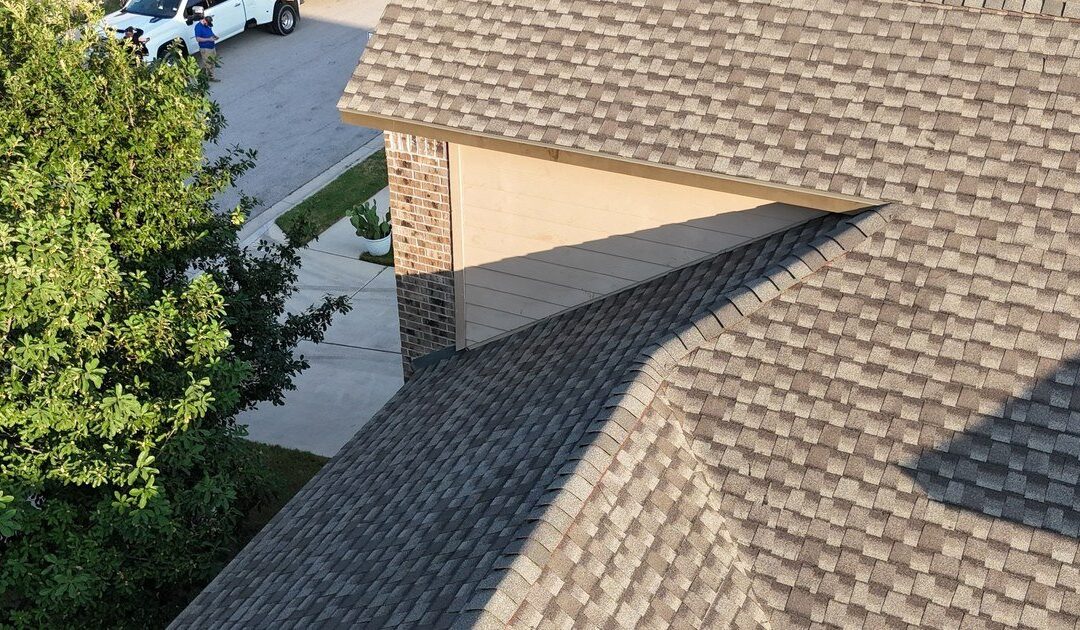
Sun. Ultraviolet exposure breaks down the asphalt binder directly. South-facing and west-facing slopes take the worst of it, which is why one side of a roof often looks years older than the other.
Hail. A single severe hailstorm can bruise a shingle mat without breaking the surface. The roof does not leak that day. It leaks four years later, and by then the claim window has usually closed. What to do after a hail storm in Texas covers the timing, which matters more than most people expect.
The National Weather Service keeps a public storm events database where you can look up whether hail was actually reported near your address on a given date — useful when a carrier and a contractor disagree about what hit your roof.
What makes one roof outlast another
Two houses on the same street, same builder, same shingle. One roof lasts 24 years and the other needs replacing at 15. The difference is almost never the product.
- Ventilation. A hot, closed attic bakes shingles from underneath and can cut years off the roof.
- Nailing. Nails driven too high, too deep or at an angle let shingles lift in wind. You cannot see this from the ground and it is the most common installation shortcut.
- Underlayment and flashing. The parts that actually keep water out of the joints. Skipping proper flashing at walls and chimneys is where leaks start.
- Starter strips and edges. Correct starter course and drip edge stop wind from getting under the first row.
Does age alone mean it is time to replace?
No. Age tells you when to start looking closely, not when to spend money. A 19-year-old roof in good condition with a dry deck and clear ventilation can be left alone and monitored. A 12-year-old roof with hail bruising across three slopes and soft decking is done.
The practical rule: at around 15 years, get an inspection every couple of years and after any significant storm. Keep the reports. If you ever file a claim, a documented history of a well-maintained roof is worth having.
If you are weighing whether what you are seeing warrants action now, the signs you need a new roof is the checklist, and roof maintenance for Texas homeowners covers the small things that genuinely add years.
What you can do to get more years out of it
Nothing turns a 20-year roof into a 40-year roof, but three habits reliably add time. Keep the gutters clear, because water backing up under the first course of shingles is a slow, quiet killer. Trim branches that touch or overhang the roof, since they abrade the surface in wind and drop debris that holds moisture. And get the attic ventilation checked once, properly, because it is a one-time fix that pays back across the whole remaining life of the roof.
The other habit is documentation. Photograph the roof from the ground each spring, and keep any inspection reports. It costs nothing and it settles arguments about when damage appeared.
Find out where your roof actually is in its life
We have been on Texas roofs for 30 years. Flagstone Roofing is GAF Certified and BBB A+ rated with more than 400 five-star reviews, and every roof we install carries our lifetime workmanship warranty. An inspection is free, includes the attic, and comes with photos — so you get a real answer about how much life is left rather than a sales pitch.
Get your free roof inspection or call 855-898-ROOF.
Frequently Asked Questions
How long does a shingle roof last in Texas?
Three-tab asphalt shingles commonly reach 15 to 20 years here and architectural shingles 20 to 30. Texas heat, sun and hail push most roofs toward the lower end of the manufacturer’s stated range unless the attic is well ventilated.
Does a 30-year shingle actually last 30 years?
Rarely in this climate. The figure on the wrapper reflects testing conditions and warranty terms rather than a promise of service life in sustained Texas heat. Treat it as a quality tier rather than a countdown.
How often should a Texas roof be inspected?
Every year or two once the roof passes about 15 years, and after any storm with hail or high wind. Keeping the reports matters, because a documented maintenance history helps if you ever file a claim.
Does roof color affect how long it lasts?
Lighter shingles run slightly cooler and can age marginally better in direct sun, but the effect is small compared with attic ventilation and installation quality. Choose the color you want and fix the ventilation.
Can a roof last longer than the warranty?
Yes, and many do. A workmanship warranty covers installation and a manufacturer warranty covers the materials; neither is a prediction of when the roof stops working. Condition, not the warranty date, decides replacement.
Do metal roofs really last 50 years in Texas?
A properly installed standing seam metal roof commonly does. What fails first is usually the fasteners and sealants at penetrations rather than the panels, so periodic checks of those points are what keeps it going.